


Los Cabos health officials have ramped up fumigation efforts in Cabo San Lucas following recent heavy rains, targeting neighborhoods where standing water has created ideal breeding conditions for the mosquitoes that spread dengue. The city’s Municipal Health Directorate (Dirección Municipal de Salud), part of the local government led by Mayor Christian Agúndez Gómez, confirmed the latest round of spraying this week as part of a broader prevention campaign.
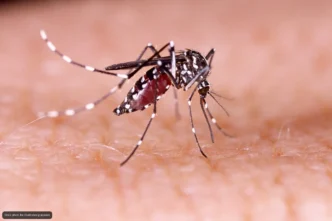
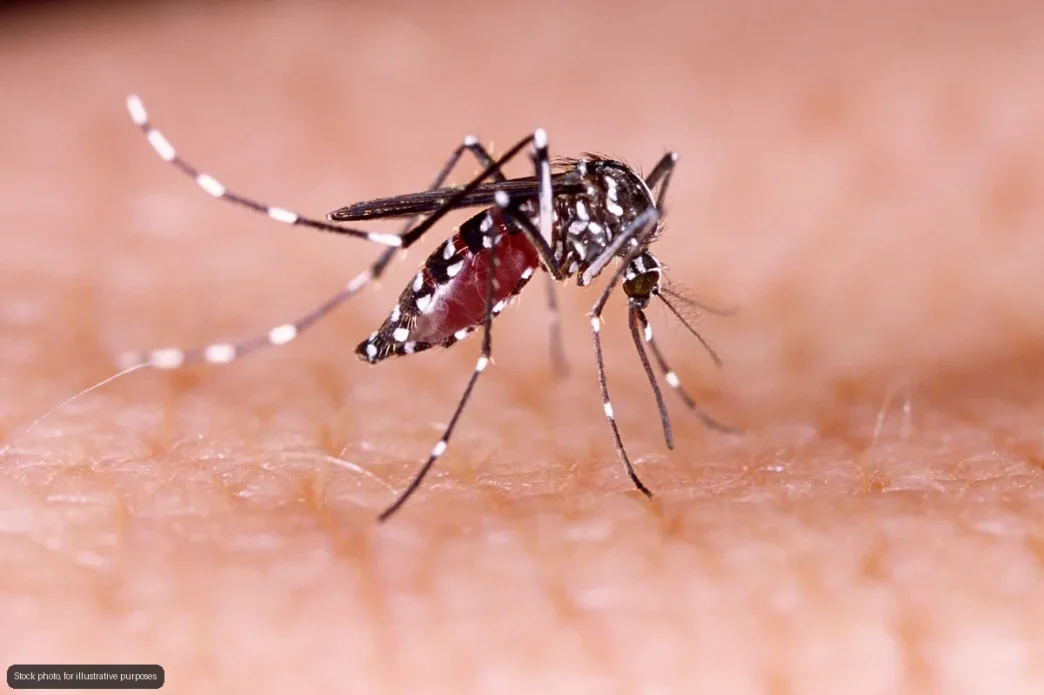
The timing isn’t a coincidence. Rainwater that pools in yards, planters, gutters and discarded containers gives the Aedes aegypti mosquito — the species responsible for dengue transmission — exactly what it needs to lay eggs. Fumigation crews have been working through residential areas as the city continues its fumigation campaign that began earlier this season.
Which Neighborhoods Were Treated
On Monday, October 5, fumigation units covered the colonias Panteón, Fuentes del Paraíso and Pradera Dorada. The following day, Tuesday, October 6, crews moved into colonia Pueblo.
City officials have not released a schedule beyond those two days, but residents are encouraged to watch for new municipal announcements for updates on which areas are next in line.
What to Do When the Fumigation Truck Comes By
Households in treated areas are asked to open doors and windows as the fumigation unit passes through. City officials say the product used is authorized for public health use and poses no risk to people, but letting it circulate indoors improves how effective the treatment is at killing adult mosquitoes inside homes.
Preventing Standing Water Between Fumigation Rounds
Fumigation kills adult mosquitoes, but it doesn’t stop new ones from hatching. The municipal government is urging residents to keep patios and yards clear of anything that can collect rainwater — buckets, tires, plant saucers, clogged gutters or any container left outside.
Water storage containers should be kept tightly covered, and anything not in regular use should be emptied or removed altogether. These basic steps, officials say, are the most effective way to stop mosquitoes from breeding between fumigation visits, a message that echoes the state’s ongoing efforts to control dengue cases across Baja California Sur.
Why It Matters for Households
Dengue symptoms typically include high fever, severe headache, joint and muscle pain, and in some cases a rash. Most cases resolve with rest and hydration, but severe dengue can require hospitalization, so anyone developing a sudden high fever after mosquito exposure should seek medical attention rather than waiting it out.
The city says the fumigation campaign will continue as crews respond to standing water left behind by this season’s rains. Residents who notice pooled water in their own neighborhood are urged to follow the city’s prevention guidance and keep an eye on municipal announcements for updates on upcoming fumigation rounds in their area.
