


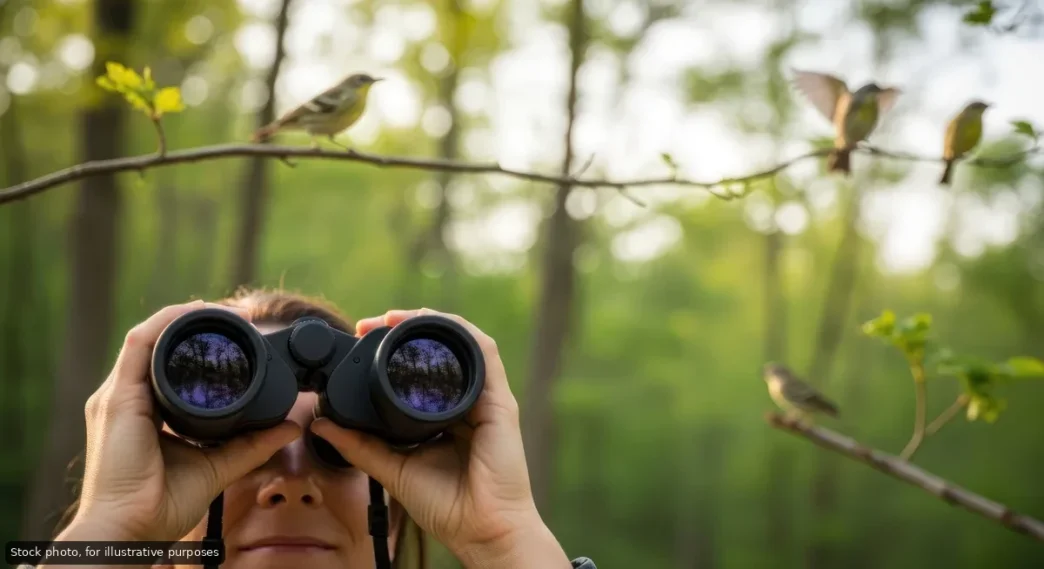
La Paz is making a serious play for bird-watching tourism. The city’s Ecoparque—already a birding hotspot in an otherwise desert state—is now training and certifying specialized guides to lead visitors through one of Baja California Sur’s most diverse avian ecosystems.
The program is a joint effort by the municipal government, the tourism office, the Ecoparque coordination team, the bird lab at Universidad Autónoma de Baja California Sur and local conservation group Mazatl. Officials say the goal is to turn what’s been largely informal bird tours into a professional, organized service that can compete with established birding destinations across Mexico.
Why La Paz Works for Bird-Watching
The Ecoparque sits in a transitional zone where desert meets wetland, creating habitat for species that don’t overlap anywhere else in the region. According to local reports, the park has become a national reference point for aviturismo—bird-watching tourism—precisely because it supports such a wide range of species in an otherwise arid landscape.
For visiting birders, that means opportunities to spot resident species alongside seasonal migrants, all within walking distance of La Paz’s malecón. The variety makes the Ecoparque particularly attractive during migration windows, when North American species pass through on their way to and from Central and South America.
What the Guide Program Offers
The city has opened a formal registry for residents interested in becoming certified Ecoparque bird-watching guides. Training covers field identification, natural interpretation, visitor safety and best practices for low-impact observation—ensuring that guides can lead tours without disturbing nesting sites or stressing wildlife.
Acting mayor Amor Fenech Montaño said the program is about more than just adding a service. It’s about creating economic opportunity while protecting what makes the park valuable in the first place. Officials emphasized that professional, responsible guiding will help the Ecoparque maintain its reputation as visitors numbers grow.
The initiative also ties into La Paz’s broader push to become a boutique tourism destination, offering specialized experiences beyond beaches and water sports. Bird-watching fits the profile: it’s low-impact, appeals to educated travelers with spending power and works year-round.
What Visitors Should Know
Once the guide registry is complete, visitors will be able to book certified tours directly through the Ecoparque or municipal tourism office. Tours are expected to cover core birding zones within the park, with emphasis on early-morning and late-afternoon sessions when birds are most active.
Seasonal timing matters. Fall and spring migrations bring the widest variety, while summer offers resident desert species and breeding activity. Winter can be slower but still productive, especially for waterfowl and shorebirds drawn to the park’s wetland areas.
The program is aimed at both serious birders and casual nature tourists. Guides will adjust tours based on experience level, making the Ecoparque accessible whether you’re logging species for a life list or just want to see what lives in the mangroves.
What This Means for La Paz
The Ecoparque guide certification is part of a larger pattern. La Paz’s airport recently set passenger records, tourism officials are touting the city as a conscious-travel hub and infrastructure investments continue to focus on eco-friendly development.
Birding tourism slots neatly into that vision. It doesn’t require new construction, it rewards conservation and it attracts visitors who tend to stay longer and spend more per day than average beachgoers. For a city trying to differentiate itself from Los Cabos, aviturismo offers a niche that plays to La Paz’s strengths: access to intact ecosystems, a slower pace and a reputation for sustainability.
The guide program should be fully operational by fall migration season, with certified guides available for booking through the municipal tourism office and partner organizations.
