



The Gulf of California remains on UNESCO’s World Heritage in Danger list, and new warnings about liquefied natural gas projects have raised international concern about the future of one of the world’s most biodiverse marine ecosystems.
On July 22, 2026, UNESCO’s World Heritage Committee adopted Decision 48 COM 7A.44 in Busan, South Korea, keeping the Islands and Protected Areas of the Gulf of California on the endangered list where it has been since 2019. This time, the decision includes a specific alert about several proposed LNG projects near the protected site.
What UNESCO Is Asking Mexico to Do
The committee expressed concern over information submitted by third parties, including communications from 11 United Nations special rapporteurs and reports from organizations such as Defensa Ambiental del Noroeste (DAN). According to the decision, these projects could affect the Outstanding Universal Value of the natural heritage site.
UNESCO is requesting that Mexico provide detailed information about any planned projects within or around the Gulf that might impact its exceptional status. The committee also called on the Mexican government to conduct Environmental and Social Impact Assessments that meet international standards before making any decisions that would be difficult to reverse.
Most importantly, the World Heritage Committee asked Mexico to avoid approving any activity that could negatively affect the Outstanding Universal Value of the site.
Four LNG Projects Under Scrutiny
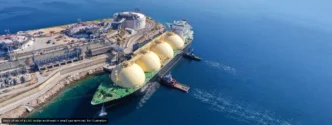
The committee’s report identifies concerns related to four specific projects: the Terminal GNL de Sonora-Saguaro Energía, the American Mexican Integrated Gas Operations (AMIGO) terminal, the Vista Pacífico LNG terminal (recently cancelled), associated pipelines, and the GNL Cosalá liquefaction plant.
These facilities would involve infrastructure development, marine traffic, and industrial operations in or near one of the most ecologically significant marine regions in the world. The Gulf of California is home to more than 900 species of fish and nearly a third of the world’s marine mammal species.
Why the Gulf Has Been on the Danger List Since 2019
The Islands and Protected Areas of the Gulf of California were inscribed as a World Heritage site in 2005 due to their extraordinary natural beauty and biodiversity. The region includes dramatic desert islands, coastal ecosystems, and marine habitats that support species found nowhere else on Earth.
The site was placed on the World Heritage in Danger list in 2019 primarily due to threats facing the vaquita marina, the world’s smallest and most endangered porpoise. Illegal gillnet fishing has pushed the species to the brink of extinction, with fewer than 10 individuals believed to remain.
Now, industrial development represents another layer of pressure on an already vulnerable ecosystem.
What Happens Next
Mexico is expected to respond to UNESCO’s requests by providing project details and impact assessments. The World Heritage Committee will continue to monitor the situation and review Mexico’s progress in protecting the Gulf during future sessions.
For residents and environmental advocates in Baja California Sur, the decision reinforces the need for careful scrutiny of industrial projects that could affect the Gulf’s marine life, fisheries, tourism economy, and international conservation status. Whether the Mexican government will halt or modify the LNG projects remains to be seen, but the international spotlight is now firmly on the region.