


Expect more fumigation trucks and knock-on-the-door visits in parts of Los Cabos and Comondú over the coming weeks. Baja California Sur’s health department is adding extra brigades, fumigation units and insecticide supplies to its nebulización (fogging) campaigns in both municipalities, where officials say dengue transmission remains active, according to the state government of Baja California Sur.
The expansion follows a meeting between state health secretary Ana Luisa Guluarte Castro and José Alejandro Ávalos Bracho, director general of the Centro Nacional de Prevención y Control de Enfermedades (CENAPRECE) — the federal agency that coordinates disease-prevention efforts across Mexico. The partnership brings additional staff and supplies to areas where case counts have remained stubborn into the tail end of rainy season.
Why Los Cabos and Comondú Need the Extra Push
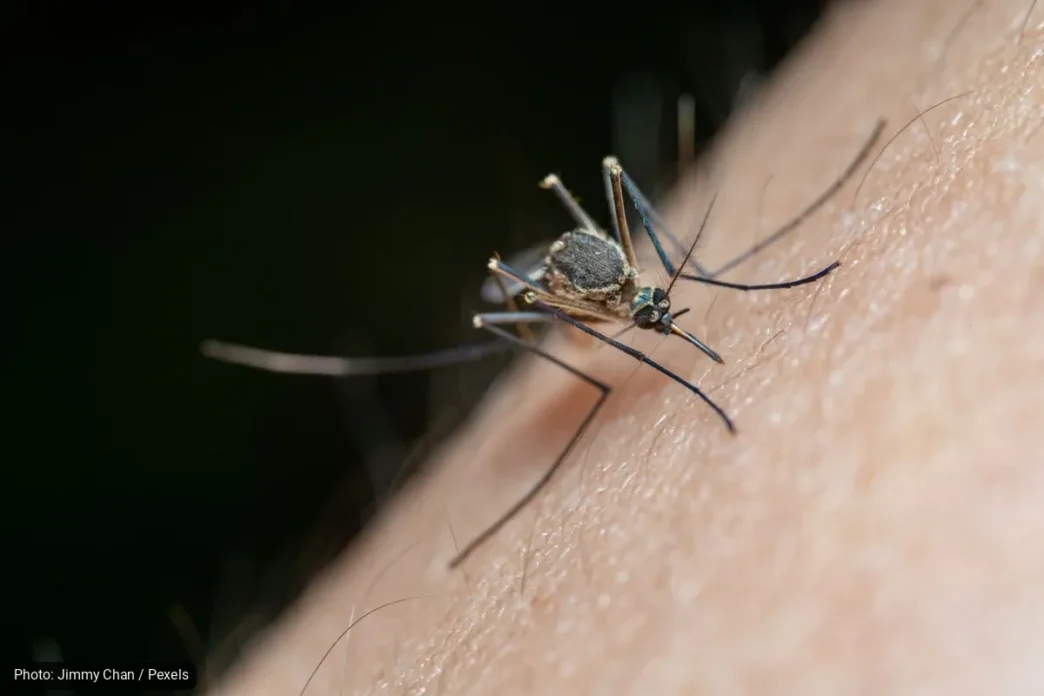
Rainy season typically runs through October in Baja California Sur, leaving standing water in patios, construction sites and empty lots long after storms pass. That water is exactly what the Aedes aegypti mosquito, the species responsible for spreading dengue, needs to breed. Health officials say both Los Cabos and Comondú currently show ongoing transmission, which is why they’re getting priority resources rather than a general statewide sweep.
Readers who follow the weekly fumigation schedule should expect more frequent passes through affected colonias as the added units come online. Crews typically spray in early morning or evening hours when mosquitoes are most active, and residents are usually notified in advance through municipal social media channels.
What Federal Support Adds to the Response
Beyond extra fumigation units, the Comisión Estatal para la Protección contra Riesgos Sanitarios (COEPRIS) — the state agency that inspects businesses for health and safety compliance — has started checking tire shops and similar establishments, which are common mosquito breeding sites because old tires collect rainwater. The state has also purchased rapid dengue tests for distribution to IMSS, ISSSTE and IMSS-Bienestar medical units, the public health systems that serve most residents, to speed up diagnosis.
A new remote follow-up program will track confirmed dengue patients to catch complications early, developed with the Servicio Nacional de Salud Pública. Health officials are also urging private clinics and hospitals to report probable and confirmed cases promptly, since that reporting is what directs fumigation crews to the right neighborhoods.
The Numbers So Far This Year
State health authorities report fumigating more than 67,000 hectares and visiting over 87,000 homes for larval control across Baja California Sur’s five municipalities in 2026. That builds on earlier efforts reported when the state passed the 23,000-hectare mark earlier in the season. More brigadistas, the health workers who go door to door checking for standing water and applying larvicide, will join the effort in Los Cabos and Comondú specifically.
What Residents Can Do Now
Guluarte Castro said the most effective prevention tool is still the simplest one: eliminating standing water around homes and businesses before mosquitoes can lay eggs there. That means emptying buckets, flowerpot trays, pet water bowls and anything else that collects rainwater, and checking gutters and rooftops after storms.
Anyone returning to the area after being away for the summer should take a walk around the property before unpacking, since a seasonal checklist for dengue prevention covers exactly these blind spots. If a fumigation brigade knocks on the door, letting them check the yard takes a few minutes and helps direct resources to where they’re needed most.
Symptoms of dengue include sudden high fever, severe headache, joint and muscle pain, and rash. Anyone experiencing these symptoms should seek medical attention promptly rather than waiting them out, particularly given the rapid tests now available at participating clinics.
