


La Paz has started handing out official identification pennants to tour operators authorized to offer whale shark watching and swimming trips, part of an effort to tighten control over one of Baja California Sur’s biggest wildlife attractions as the winter season ramps up.
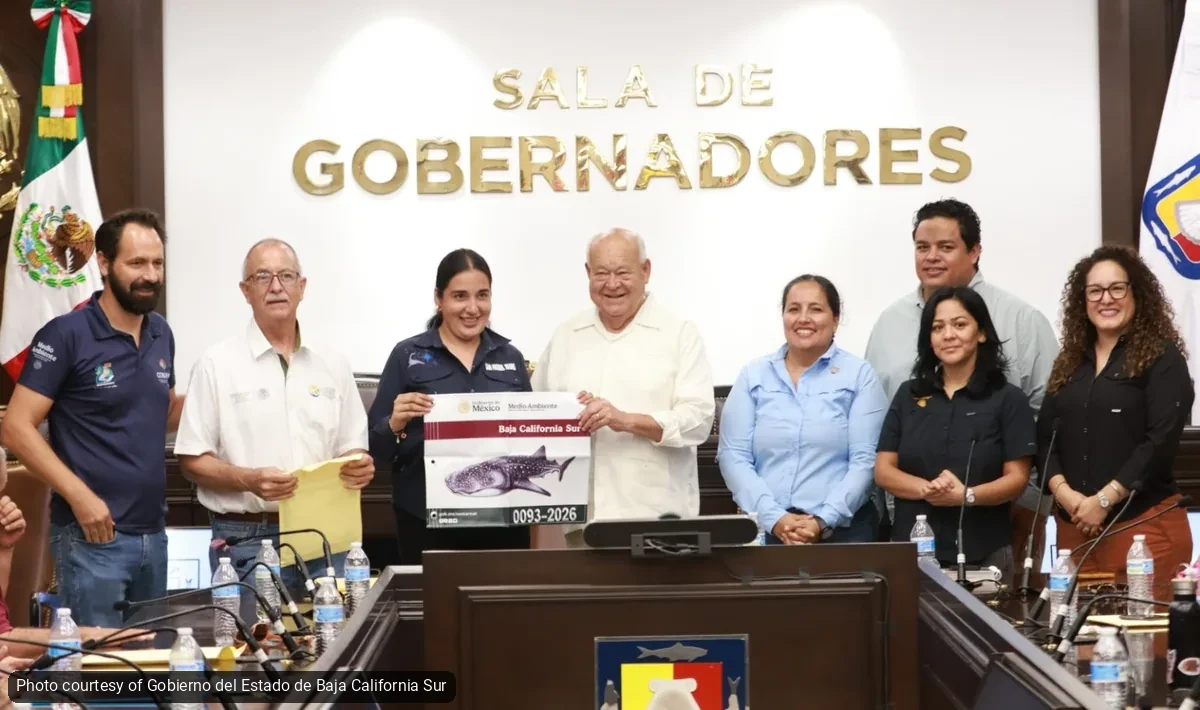
The state government delivered 112 banderolas, small flags that mark a boat as authorized to operate inside the whale shark refuge zone in La Paz Bay, according to a statement from the state government. Governor Víctor Manuel Castro Cosío attended the handover, which state officials describe as a step toward better organizing tourist activity in the bay and protecting marine biodiversity.
Why the Flags Matter for the Bay’s Busiest Season
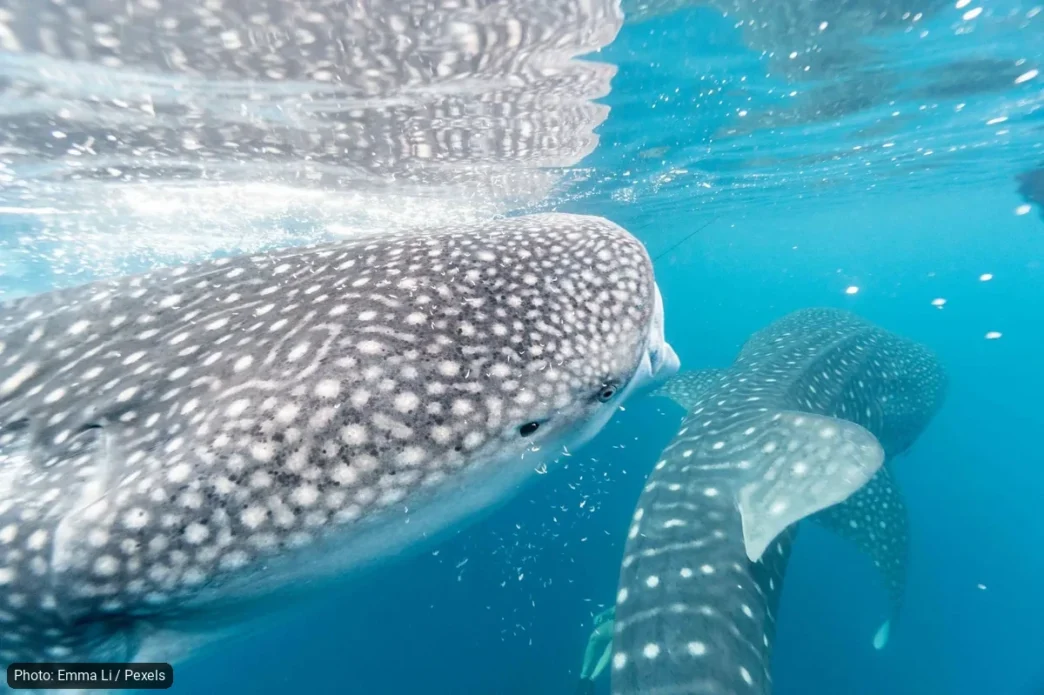
Whale sharks typically gather in La Paz Bay from around October through April, drawing snorkelers and divers from across Los Cabos and beyond. The animals feed on plankton close to the surface, which makes the bay one of the few places in the world where swimmers can get in the water alongside them under regulated conditions.
Because demand is high, officials say the flags will also help reduce confusion caused by boats that are not properly permitted to operate in the refuge zone. With a visible flag on the boat, tourists and inspectors alike can more easily tell which operators are properly permitted, according to the state government.
Permits Limited to Local Operators
Castro Cosío said the permits tied to the new flags will go exclusively to local service providers, a decision meant to strengthen organization among existing operators and support families whose livelihoods depend on the activity. The governor framed the measure as part of broader coordination between the state and federal environmental authority Secretaría de Medio Ambiente y Recursos Naturales (SEMARNAT), following agreements reached with federal environment secretary Alicia Bárcena Ibarra.
Representatives from two federal agencies attended the event: Benito Rafael Bermúdez Almada, regional director for the Baja California Peninsula and North Pacific region of Comisión Nacional de Áreas Naturales Protegidas (CONANP), Mexico’s national protected-areas agency, and Cristina González Rubio Sanvicente, head of SEMARNAT’s office in Baja California Sur. Both agencies share oversight of the refuge zone, since whale sharks are a federally protected species and the bay itself falls under environmental regulations enforced jointly with the state.
What It Means for Visitors Booking a Tour
For anyone planning a whale shark excursion out of La Paz this season, the practical takeaway is simple: look for the official pennant before booking. Authorized operators follow rules that limit the number of swimmers in the water at once, require a minimum distance from the animals and prohibit touching them, standards set to protect the whale sharks while keeping the activity sustainable for the long term.
State officials say they intend to keep working with CONANP, SEMARNAT and tour operators throughout the season to enforce those standards. As the season gets underway in the bay, the new flags give both regulators and tourists a quicker way to tell who is operating by the book.
