


In Baja California Sur, the rainy season is not just a forecast. It is a seasonal transformation that turns arroyos into rivers, paved roads into obstacle courses, and a routine drive into an exercise in patience and planning. For many expats and seasonal residents — especially those arriving after months away — the shift can be abrupt. One day the peninsula is parched. The next, the highway outside Todos Santos is a muddy canal, and nobody seems surprised.
The good news is that driving safely through Baja Sur’s rainy months is less about heroism and more about preparation. Knowing which risks are real, which roads flood first, and what to carry in your vehicle makes the difference between a minor inconvenience and a rescue.
Arroyo Crossings: The Number One Hazard
Arroyos — dry riverbeds that cut across highways and back roads — are the most predictable danger during heavy rain. Most of the year they are harmless streambeds filled with dust and tumbleweeds. During a storm, they become fast-moving torrents capable of sweeping vehicles downstream.
The state and municipal governments post warning signs at major crossings, but enforcement of closures is inconsistent. Drivers are expected to exercise their own judgment, and tourists unfamiliar with the terrain often do not. If you see standing or moving water across a road, do not cross it. The depth is impossible to judge from behind the wheel, and the current underneath is usually stronger than it looks.
Common trouble spots include the arroyos along Highway 19 between Cabo San Lucas and Todos Santos, sections of Highway 1 south of La Paz, and rural connectors near Santiago and Miraflores on the East Cape. Local drivers know these crossings by name. If you are new to the area or returning after months away, assume every arroyo is a potential problem until you see it dry.
Road Conditions and Maintenance
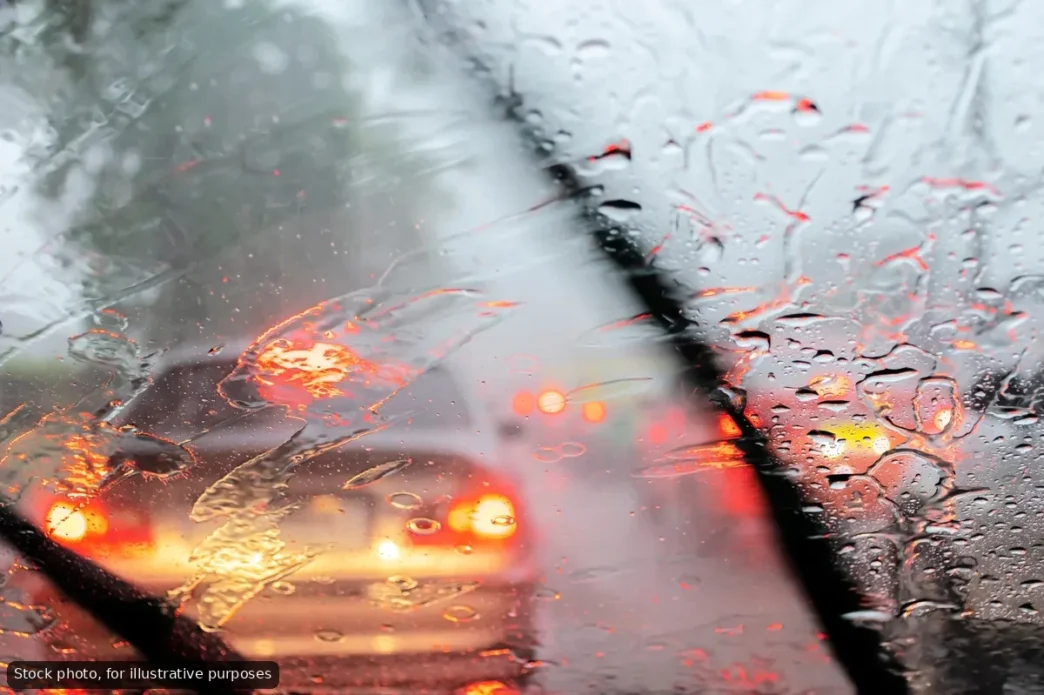
Paved roads in Baja Sur are generally well-maintained along the main highways, but the rainy season exposes weak points. Potholes that were minor annoyances in June become axle-bending craters by September. Shoulders erode. Debris from hillsides — rocks, mud, tree branches — washes onto the pavement. Visibility during a downpour can drop to nearly zero.
Dirt roads and rural routes are a separate category. Many become impassable even with four-wheel drive. If your plans involve driving inland to visit hot springs, remote beaches, or mountain communities, check local conditions first. A road that was perfectly drivable in April may be a churned-up mess by late summer.
What to Carry in Your Vehicle
The standard advice for driving in Baja applies year-round, but the rainy season raises the stakes. At a minimum, carry:
Extra water — at least two liters per person. If you are stranded by a flooded arroyo or road closure, you may be waiting hours for the water to recede.
A charged cellphone and a car charger. Coverage is not universal, but it is improving. If you can get a signal, you can call for help or check road conditions.
Basic tools and a spare tire. Tow trucks exist, but response times in rural areas can be long.
A flashlight. Storms often arrive late in the day, and road closures do not always include lighting.
Cash. Roadside assistance, detours through toll roads, or small-town mechanics may not accept cards.
Snacks and a light jacket. Weather in the mountains can turn cool, and delays stretch longer than expected.
Insurance Considerations
Mexican auto insurance is mandatory for all drivers, foreign or domestic. Most policies cover collision and liability, but flood damage and off-road incidents fall into murkier territory. If you plan to drive frequently during the rainy season — or if you live here year-round — review your policy now. Some insurers exclude coverage for drivers who ignore official road closures or attempt arroyo crossings during active warnings. Others cover roadside assistance but only within certain zones.
For expats who bring vehicles from the United States or Canada, confirm that your Mexican policy is active and up to date. Policies purchased at the border are often short-term, and many seasonal residents forget to renew when they return in the fall. Driving uninsured is both illegal and financially risky.
Emergency Contacts and Resources
If you encounter trouble on the road, knowing who to call matters. The national emergency number is 911, which works throughout Baja California Sur. For roadside assistance, many insurance policies include a dedicated hotline — check your paperwork before you need it. Ángeles Verdes, the federal roadside assistance service, patrols major highways and provides free help with minor breakdowns, flat tires, and fuel. Their number is 078.
Local Protección Civil offices in Los Cabos, La Paz, and Todos Santos monitor weather conditions and coordinate rescues during severe storms. They do not typically handle routine traffic problems, but they are the right contact if you or someone else is stranded in a dangerous situation.
When Not to Drive
The simplest advice is also the hardest to follow: when the rain is heavy and sustained, stay off the road. Baja Sur does not see hurricanes every year, but when a tropical storm does arrive, the flooding is sudden and widespread. Official warnings from the state government, Protección Civil, and the National Weather Service should be taken seriously. Roads that are passable in the morning may be closed by afternoon.
For tourists on tight schedules, this can be frustrating. For residents, it is part of the rhythm. In Baja, patience is not optional during the rainy season. It is infrastructure.