



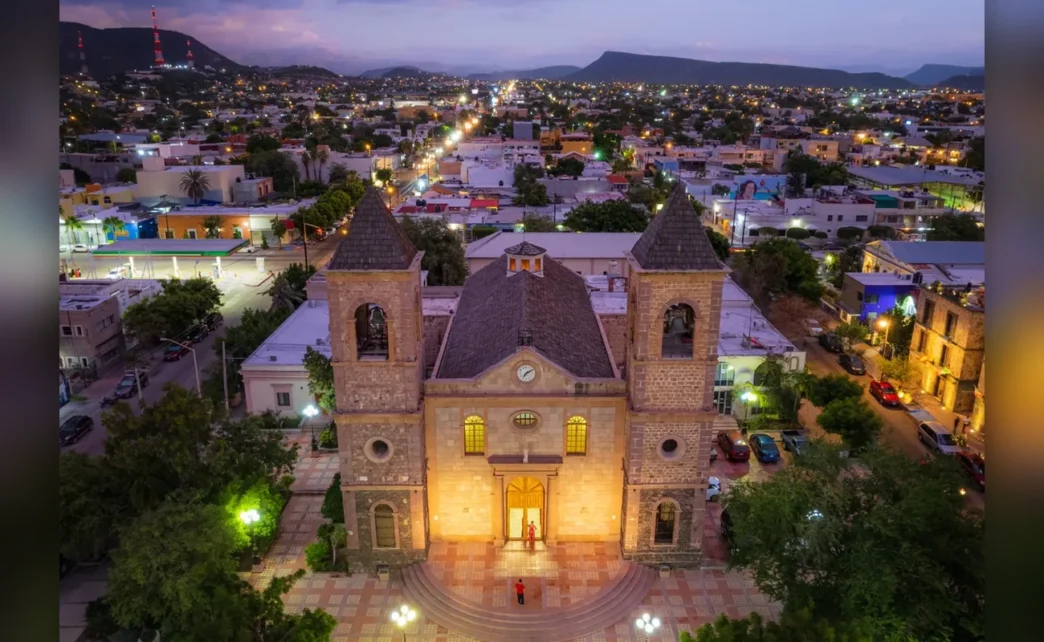
Baja California Sur has a reputation for pricey margaritas, imported groceries and real estate that keeps climbing. So it may come as a surprise that the state is one of only three in Mexico where consumer prices actually dropped over the past year.
According to Mexico’s national statistics agency, Instituto Nacional de Estadística y Geografía (INEGI), consumer prices in BCS fell 0.43% in the 12 months through September 2026. Only Sonora (-0.58%) and Sinaloa (-0.20%) posted similar declines. All other 29 Mexican states saw prices rise, with the national inflation rate landing at 2.12% — the lowest for a comparable period since 2020, when the pandemic was still weighing on the economy.
Why Electricity Is Driving the Drop
The common thread across all three states is electricity. Each year, the Comisión Federal de Electricidad (CFE), Mexico’s federal power utility, runs a seasonal summer rate program that expands the amount of cheap electricity households can use before hitting higher tiers. The program targets regions with brutal summer heat, where air conditioners and fans run nonstop for months at a time.
Sonora, Baja California Sur and Sinaloa all sit along the Sea of Cortez and qualify for the discount. Electricity ended up being the single biggest factor pulling down each state’s price index, outweighing increases elsewhere in the household budget.
What Else Got Cheaper in BCS
Electricity wasn’t the only category trending down locally. Eggs also fell in price, thanks to steady production and an oversupply nationally. Air travel, chicken, new car purchases, beans and personal deodorants rounded out the list of goods and services that got cheaper in BCS over the past year, based on the INEGI breakdown.
That’s a notably different mix from what’s driving savings elsewhere. In Sonora, pork and toilet paper were among the categories that dropped. In Sinaloa, tomatoes and internet service led the declines.
The Rest of Mexico Tells a Different Story
Nationally, the picture looks less favorable for anyone eating out. Loncherías, fondas and taco stands saw prices climb 5.64% over the year, the single biggest contributor to the national inflation rate, according to INEGI’s figures. Housing costs for homeowners rose 2.58% nationally, and onion prices jumped more than 75%. Diners who’ve noticed menu prices creeping up in La Paz aren’t imagining it — that trend lines up with what’s happening across the country, even if BCS as a whole came out ahead on the overall index.
Jalisco posted the highest annual inflation of any state, at 3.88%, driven largely by housing and prepared food costs. The contrast underscores how uneven Mexico’s cost-of-living picture can be from one state to the next, even as BCS continues to post strong numbers on other economic measures, including some of the lowest poverty rates in the country.
Why the Savings May Not Last
Financial analysts at Banco Base caution that the overall trend could reverse. The Mexican peso depreciated 6.30% against the dollar in September alone, moving from roughly 16.95 to above 18 pesos per dollar — a shift that tends to push up prices on imported goods over time.
There’s also a supply concern on the energy side. Mexico’s national gas pipeline operator has reported that the United States plans to reduce deliveries of natural gas by about a fifth of normal volumes, and Mexico currently has little to no storage capacity to cushion any shortfall. That could increase demand for LP gas as a substitute, with knock-on effects for prices at the pump and in kitchens. Drivers who’ve already felt the pinch from rising gas prices in La Paz may want to keep an eye on how that plays out over the coming months, since fuel costs tend to ripple through everything from grocery delivery to bus fares.
For now, the numbers offer a rare bit of good news for household budgets in BCS. Whether that holds through the rest of the year will depend largely on the exchange rate and how long CFE’s summer discount effect lingers in the data.
