



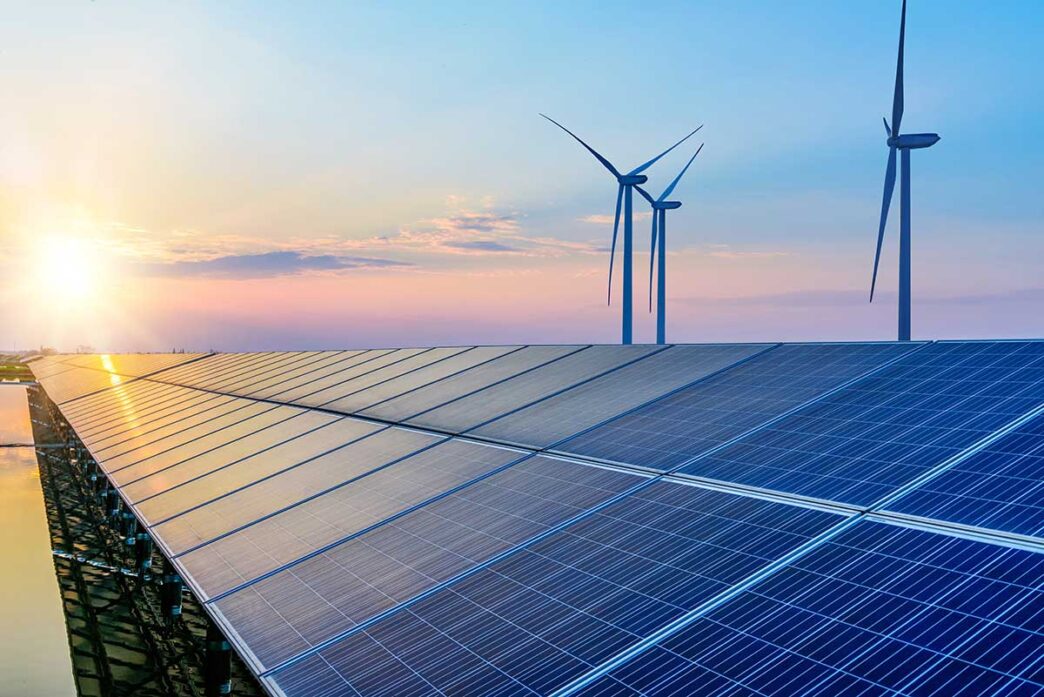
Blackouts in Baja California Sur could soon become a thing of the past if the peninsula’s vast wind energy potential is fully harnessed, according to experts from the National Autonomous University of Mexico (UNAM).
On April 1, 2026, UNAM specialists announced that the Baja California Peninsula has the highest potential for renewable energy generation in the country. This offers a practical path toward ending the chronic power outages affecting the region.
Their research highlights a powerful combination of solar radiation, wind currents, and geothermal resources that could transform the state into an energy powerhouse, if sufficient infrastructure is built to support development and distribution.
Cities such as La Paz and Los Cabos, long affected by electricity shortages, could see significant improvements. Researchers say that investing in solar and wind farms would not only meet local demand but also allow Baja California Sur to shed its status as an “energy island.”
Currently, the state relies heavily on fossil fuels and stays disconnected from Mexico’s National Transmission Grid, two key factors behind frequent outages that disrupt daily life and the tourism industry.
The problem is longstanding. In recent summers, rising temperatures and population growth have driven electricity demand beyond the capacity of Federal Electricity Commission (CFE) power plants.
Aging infrastructure and insufficient maintenance have further compounded the issue. State officials have repeatedly cited these factors as primary causes of the failures that leave entire municipalities without power.
Baja California Sur’s isolation from the national grid makes the situation more severe. Without external support, local systems cannot compensate for plant failures or spikes in demand.
Experts say the roots of the crisis stretch back decades, largely due to inadequate planning. Government officials have acknowledged that CFE equipment requires significant upgrades, while citizen-led initiatives such as the “Blackout Meter” continue to document outages during peak periods.
The new UNAM report serves as a wake-up call for federal authorities. It underscores that the peninsula’s energy future depends on tapping its abundant natural resources, particularly sun and wind.
Researchers emphasize that realizing this potential will require coordinated efforts between public and private sectors to ensure reliable, sustainable energy reaches all residents of Baja California Sur.