


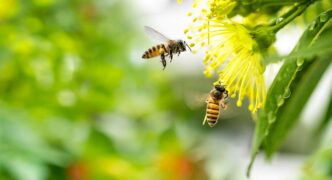
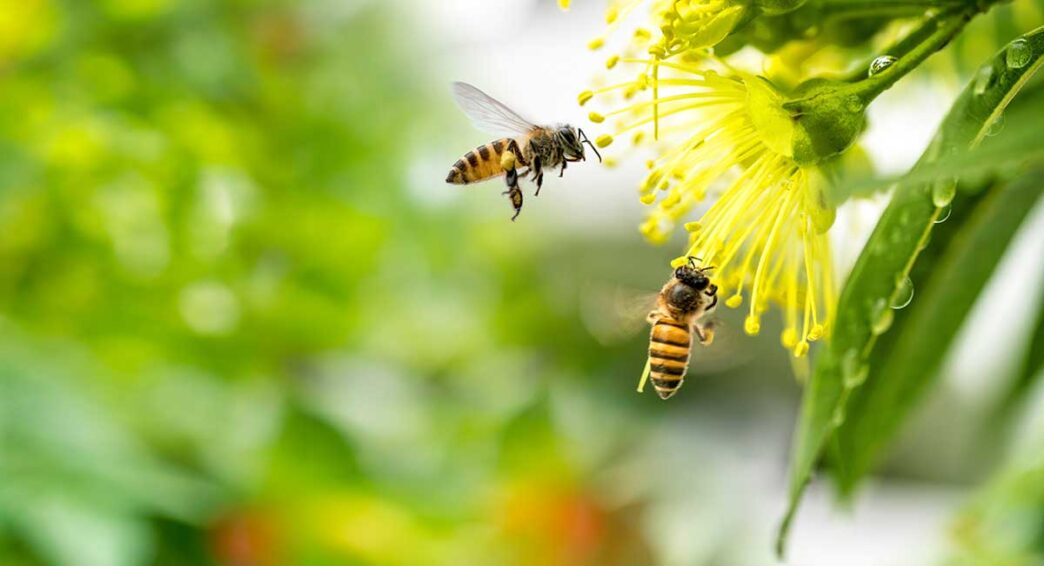
Have you ever been stung by a bee? How about being attacked by a swarm of bees? This topic gained widespread attention after a swarm attacked dozens of people on May 3 at a sports complex in Guadalupe, Zacatecas, causing multiple injuries and the tragic death of magistrate Oyuki Ramírez. In response, the Heroic Fire Department of La Paz has been actively re-educating the public on safety protocols and the legal regulations surrounding bee encounters, advising residents on how to request emergency assistance if colonies are detected near homes or public spaces.
Relocation Over Extermination
Commander Juan Ruíz explained that emergency crews prioritize relocating bees rather than exterminating them due to environmental protections surrounding pollinating species. In La Paz, these situations are generally handled through trained beekeepers and specialized personnel. He reminded the public that bees are essential pollinators whose extermination is heavily restricted.
Understanding Bee Defense Mechanisms
“When these little animals attack, it is a defense mechanism,” Commander Ruíz explained. “When a bee stings, it leaves behind a pheromone that calls the others, and they come in large numbers to attack the person or animal. The recommendation is to move more slowly until you come to a complete stop and allow body movement to neutralize, because if you continue moving, the bees will keep attacking.”
The commander noted that many people instinctively react by running or waving their arms, which only causes the swarm to continue its chase. He noted that training received from SAGARPA personnel taught that individuals must drastically reduce movement to lessen the insects’ defensive response.
La Paz Fire Department Safety Protocol
According to Commander Ruíz, “The best recommendation is to remain standing in a safe area without moving, or stay low to the ground with your face covered toward the floor and try to move as little as possible. The most common mistake is running, because the bees will continue attacking while the body is moving. Things like lotions or strong scents also influence them, because bees respond to pheromones and odors.”
He also stressed the importance of avoiding beehives entirely and never attempting to remove them without professional help, as colonies can react instantly to minor vibrations or physical impacts.
When Bee Stings Become Fatal
If you have ever been stung before and are not allergic to bee venom, I invite you to contemplate the profound difference between a single sting and being targeted by an entire swarm. When a stinging incident becomes fatal, it almost always traces back to one of two physical mechanisms: a severe allergic reaction or the overwhelming volume of venom delivered during a swarm attack.
Allergies to bee venom are responsible for the vast majority of single-sting deaths. In individuals with a systemic allergy, a single sting can trigger rapid anaphylactic shock within minutes. The immune system releases a flood of chemicals that can cause blood pressure to drop sharply and airways to narrow, leading to suffocation or cardiac arrest if emergency treatment is not immediately available.
For individuals who are not allergic, it takes a very large amount of venom to become fatal. The estimated lethal dose for an adult human without an allergy is approximately 19 stings per kilogram of body weight. However, in tragic swarm attacks involving children, seniors, or individuals trapped in enclosed spaces, far fewer stings can still cause severe inflammation, dangerous swelling, breathing complications, and intense strain on the body without rapid hospital intervention.
Emergency Response in La Paz
While bee swarms are treated as a high priority by emergency services due to the risk of allergic shock, they account for a small but steady percentage of local operations compared to fires and gas leaks, spiking seasonally during transitions when swarms migrate.
Commander Ruíz explained that if residents detect a swarm or a colony in a populated area, they should immediately call 911 so the report can be forwarded to trained personnel for a safe hive relocation. Until help arrives, the best defense is to remain calm, minimize body movement, and let nature pass by.
Naailah Auladin is a life and relationship doula in La Paz, specializing in guiding individuals and families during periods of emotional trauma, crisis, and mental unrest. She focuses on teaching and inspiring individuals to take responsibility and ownership in participating in their civic duties, prioritizing the well-being of “self” first, as she believes that fostering and maintaining well-managed emotional, mental, and physical health is our primary civic duty. For more information, visit www.naailahauladin.com or reach her via WhatsApp at +52 612 141 8002.