



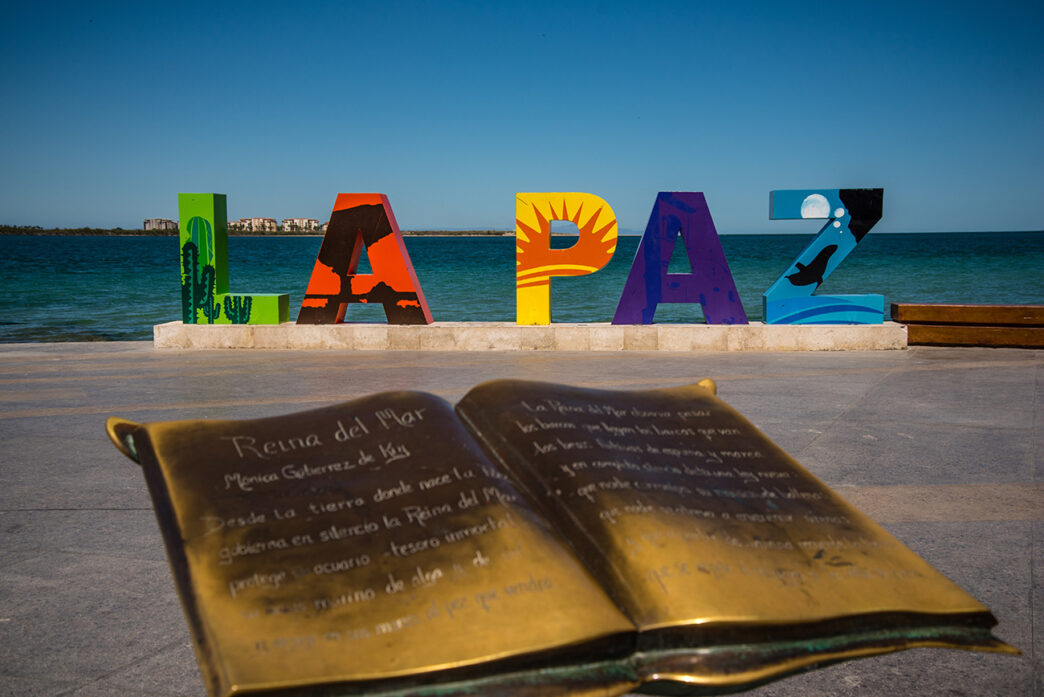
La Paz is preparing for one of its strongest summer tourism seasons in recent memory, with municipal officials forecasting hotel occupancy around 80 percent and nearly 400,000 visitors expected through the vacation period. The numbers suggest the capital has carved out a place alongside Los Cabos as a destination worth the trip, not just a stopover.
Jehú Vázquez Savín, general secretary of the municipal government, told local outlets that the city is ready to receive domestic and international tourists who come for the beaches, small-town identity and seafood-driven gastronomy. Those are the draws that set La Paz apart from the resort corridor to the south, where all-inclusive towers dominate the coastline.
The city has installed information kiosks at Jardín Velasco, the malecón boardwalk and Puerto Pichilingue, where visitors can scan QR codes or browse printed materials about local attractions, history and safety recommendations. A municipal tourism portal at turismo.lapaz.gob.mx offers activity guides, service directories and suggested itineraries for those planning their stay.
Safe Summer 2026 Backs Tourism Push
Undergirding the optimism is the Safe Summer 2026 operation, which deploys 230 personnel from municipal police, emergency responders and various city departments. The operation is designed to keep both residents and visitors safe during peak season, a practical concern in any beach destination that sees seasonal surges.
The security presence is visible but not intrusive. Officers patrol the malecón, beaches and downtown commercial zones, while lifeguards and paramedics monitor high-traffic waterfront areas. It is the kind of setup that matters more when something goes wrong than when everything runs smoothly, but it helps explain why officials feel confident predicting strong occupancy numbers.
What 400,000 Visitors Means for the Local Economy
Four hundred thousand visitors over a roughly three-month period translates to steady business for hotels, vacation rentals, restaurants, dive operators, fishing charters and tour companies. The forecast puts La Paz on track to match or exceed summer occupancy rates seen in Los Cabos, where 70 percent is considered solid for the off-peak months.
Much of the visitor traffic comes from mainland Mexico, particularly Sinaloa, Sonora and central states looking for coastal relief from summer heat. But the city is also drawing international travelers, many of whom use La Paz as a base for exploring Espíritu Santo island, whale shark encounters and the quieter beaches north of the city.
The municipal government has emphasized sustainable tourism through its Punto Único de Venta kiosk on Callejón Cabezud, where licensed tour operators offer guided experiences to Espíritu Santo, kayaking trips, snorkeling excursions and cultural tours. The goal is to channel visitor spending through regulated operators who follow environmental guidelines, rather than see unregulated activity damage the very attractions that bring people here.
Why This Summer Matters
For expats and long-term residents, a strong summer season means local businesses stay open, services remain consistent and municipal revenue supports infrastructure projects. It also means crowded beaches, busier restaurants and occasional traffic snarls near the malecón. That is the trade-off when a city decides it wants to be a year-round destination rather than a sleepy capital that wakes up in winter.
The 80 percent occupancy forecast is not a ceiling. It is a target based on advance bookings, historical patterns and the assumption that nothing disrupts the flow of travelers between now and September. Weather, fuel prices, security incidents elsewhere in Mexico and economic conditions on the mainland all play a role.
But for now, the city is betting that its combination of natural beauty, manageable crowds and functional infrastructure will keep hotel rooms filled and tour boats running. Whether that bet pays off will depend on how well the summer operation holds together when the beaches are full and the thermometer hits its seasonal peak.