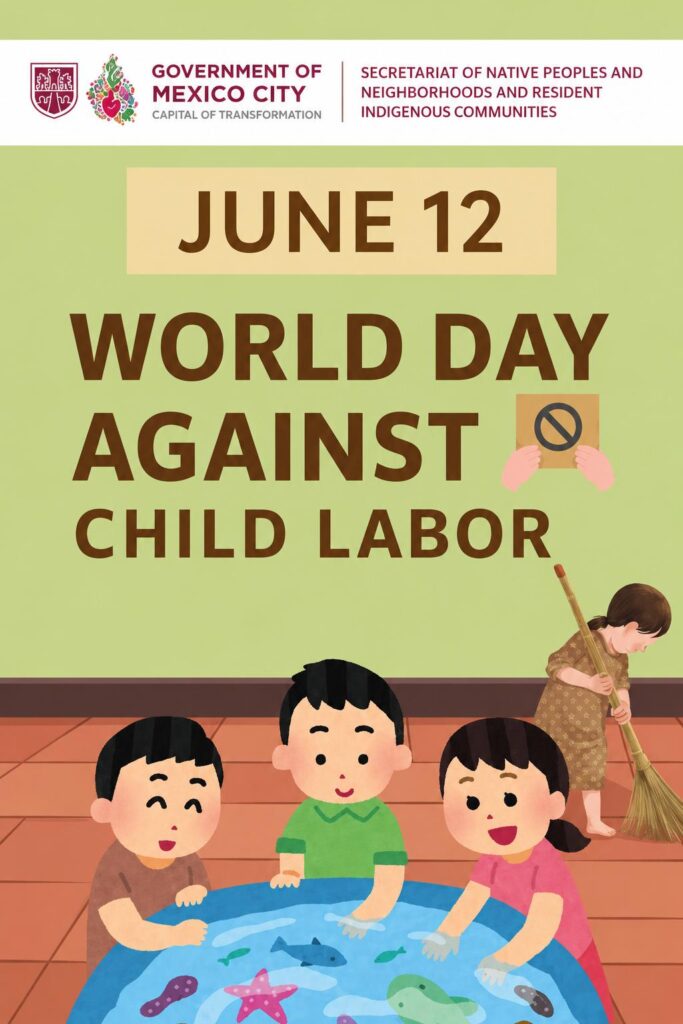



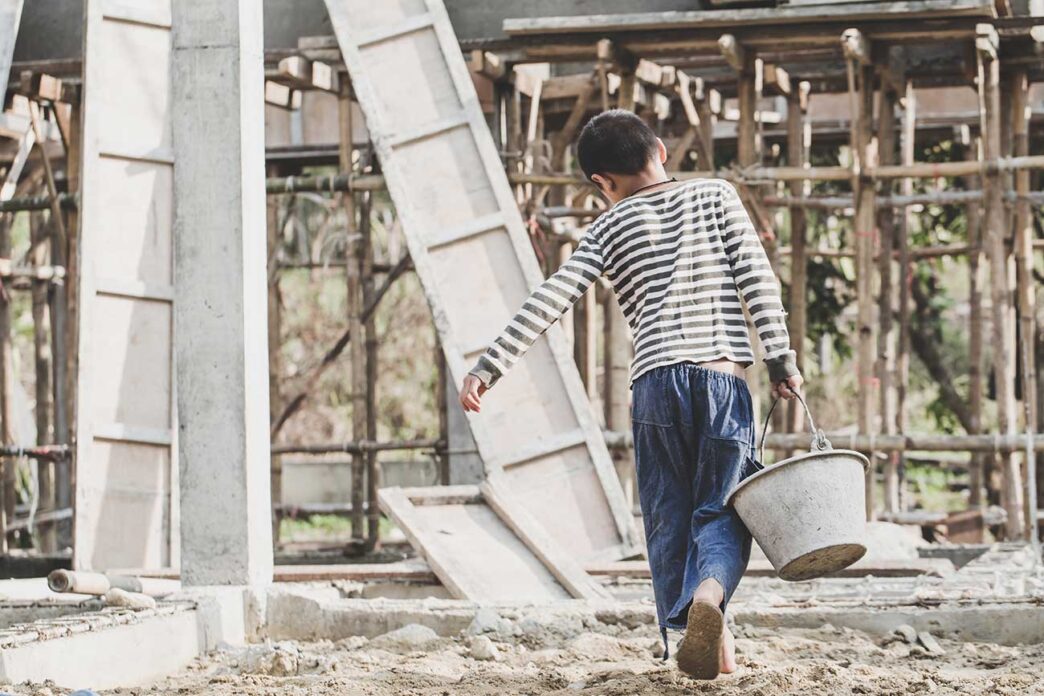
June 12 marked International Day Against Child Labor in Mexico, and Los Cabos authorities used the occasion to reaffirm that protecting children requires ongoing action and close coordination between government agencies and the private sector.
Officials are working to prevent children from remaining in areas linked to economic activity, a situation most commonly observed along the Cabo San Lucas Marina and El Médano Beach.
Patrols and Prevention in Cabo San Lucas
The Executive Secretariat of the Comprehensive Protection System for Girls, Boys and Adolescents (SIPINNA) in Los Cabos reported that it continues to coordinate efforts with agencies that make up the Intersecretarial Commission for the Prevention and Eradication of Child Labor. Although authorities have not found minors working alone, they continue operations aimed at preventing children from staying in workplaces alongside their parents.
SIPINNA conducts regular patrols in the Cabo San Lucas Marina, where officials have found minors accompanying their parents during commercial activities. Bilma Ojeda Martínez, head of the agency, said patrols are conducted on a permanent basis in areas such as the Marina.
“At the moment, we haven’t registered any children working alone; they are always accompanied by their parents. However, we are working to ensure that these girls and boys are not in places where they shouldn’t be. Children have the right to education,” Ojeda Martínez said.
She added that many parents explain they bring their children to work because they lack support systems or safe places to leave them during working hours.
Tourism Industry Collaboration and Challenges
Lilzi Orcí Fregoso, executive president of the Los Cabos Hotel Association, said cases related to child labor are most often detected in tourist areas of Cabo San Lucas. She noted that a working group composed of representatives from Tax Inspection, Public Security, SIPINNA and DIF has been established to regulate street vending and address situations involving minors.
“When we detect a case of child labor, we notify SIPINNA and DIF, which are the authorities responsible for intervention,” Orcí Fregoso said.
She acknowledged that one of the biggest challenges is discouraging visitors from purchasing products sold by minors, as tourists often do so with the intention of helping them.
However, she emphasized that Mexican law prohibits child labor and warned that buying products from children can contribute to the continuation of the practice.
As part of ongoing efforts to combat child labor, authorities and tourism industry representatives agreed that ensuring access to education, recreation and a safe environment for children remains a shared responsibility requiring the participation of the entire Los Cabos community. They also stressed that raising awareness among tourists about the consequences of buying products from minors remains a key challenge.