


After several years of absence, the Ironman competition is returning to San José del Cabo, a move that city officials say will revitalize local sports, boost the economy, and reaffirm the region’s standing as a world-class host for international athletic events.
Municipal Secretary General Alberto Rentería confirmed the race’s reinstatement, noting that Mayor Christian Agúndez instructed his administration to fully support the event’s organizers. “We are very happy. The mayor directed us to provide everything needed to bring back the Ironman event that had stopped being held here in San José,” Rentería said.
The return of Ironman Los Cabos is expected to attract around 1,800 athletes, a turnout that could significantly benefit hotel occupancy, local commerce, and the area’s international visibility. Athletes often travel with family and friends, multiplying the event’s potential economic impact.
Officials explained that the event was suspended in previous years due to debts left by a past administration. The current City Council resolved those financial issues, clearing the way for the race’s return, tentatively scheduled for April. Remaining challenges include selecting a date that coincides with lower hotel occupancy and managing mobility around ongoing infrastructure projects, such as the Glorieta turnaround construction.
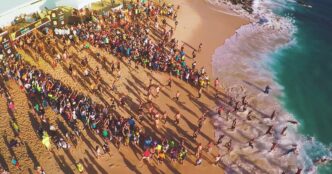
Ironman Los Cabos was first held in 2013, making San José del Cabo the second Mexican location, after Cozumel, to join the prestigious Ironman circuit. From 2013 to 2017, the event featured the full-distance race: a 3.86-kilometer (2.3-mile) swim, a 180.2-kilometer (112-mile) bike ride, and a 42.2-kilometer (26.2-mile) marathon run.
The 2014 edition, with approximately 1,200 triathletes from five continents, is remembered as a milestone that solidified Los Cabos’ reputation as a premier sporting destination. In later years, the event was often held as a “70.3”, a half-Ironman distance, maintaining international appeal while making participation more accessible.
Over time, Ironman Los Cabos drew thousands of athletes and visitors from around the world, contributing to the tourism sector, local businesses, and the global image of Los Cabos as a triathlon hub. Its return represents more than a sporting event, it’s a strategic effort to reestablish Los Cabos as a top-tier host for international competitions.
The ripple effects are expected to extend across the local economy: more hotel bookings, higher restaurant and retail sales, and increased global exposure for the destination. Because many participants travel with companions, the total number of visitors — and the resulting economic impact — could far exceed the number of registered athletes.
Reintroducing a full or half-Ironman in Los Cabos could also encourage repeat tourism and future international events. Yet, logistical hurdles remain, including coordinating event dates and managing traffic around infrastructure work.
For comparison, hosting cities such as Ironman Santa Rosa have reported approximately US$20 million in direct and indirect economic activity from combined full-distance and 70.3 events. At the global level, the Ironman World Championship has generated economic impacts in the tens or even hundreds of millions of dollars for host regions, driven by large athlete participation, extended visitor stays, and strong international visibility.