


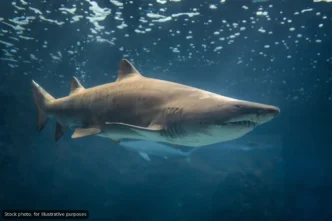
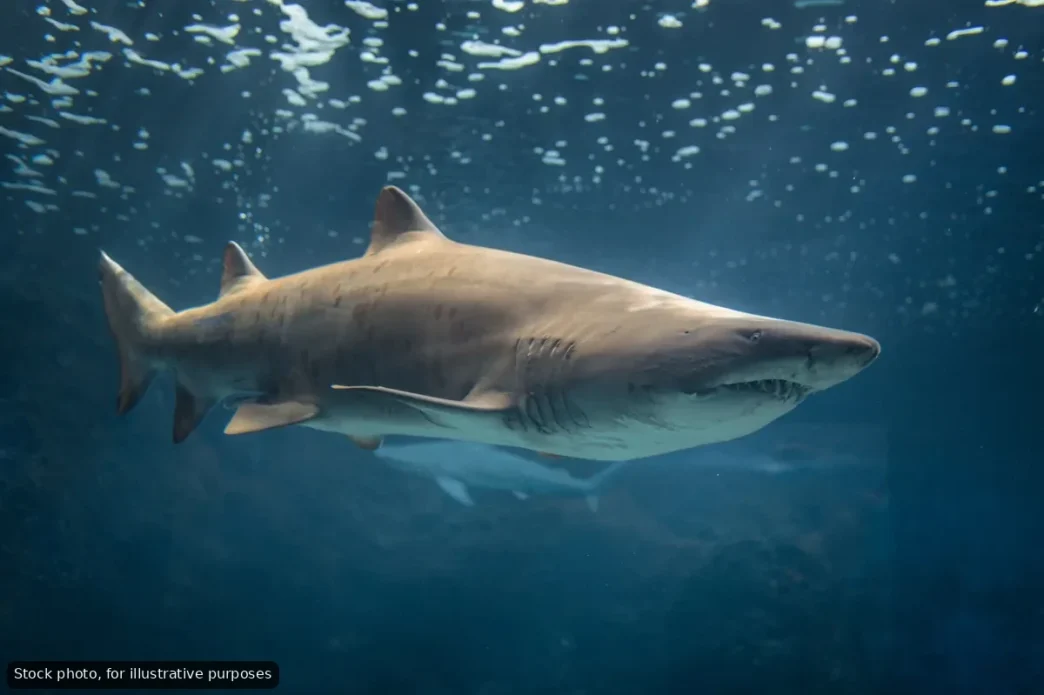
A team of divers working with Cabo Adventures recently encountered a group of bull sharks — scientifically known as sand tiger sharks — at depths exceeding 40 metres near the iconic Arch in Cabo San Lucas. The sighting, described as extraordinary, adds another chapter to the region’s growing reputation as one of the world’s premier dive destinations.
Marco Belmar, a dive specialist with Cabo Adventures, shared details of the encounter during a recent interview on the radio program Los Cabos a la Carta. According to Cabo Vision, Belmar said the dive took place at a site known among local divers as ‘la pared’ — the wall — where several sand tiger sharks were observed moving through the water.
‘These majestic animals can measure up to five metres from nose to tail,’ Belmar explained. ‘Very few people know we have these wonders here.’
How the Encounter Unfolded
Belmar said he and his team counted approximately ten sharks during the dive. Initially, the animals kept their distance, but over time began showing increasing curiosity toward the divers.
‘The sharks started getting closer and closer, they were quite curious,’ he said. ‘They never showed aggression, but their swimming patterns made it clear they were surveying the area and analysing us.’
According to the dive team, the sharks began swimming in elliptical and figure-eight patterns, adjusting their depth constantly. While the behaviour remained non-aggressive, the team decided to end the dive given the size and strength of the predators.
‘When you’re talking about these creatures, they’re not pets, and they’re not predictable,’ Belmar noted. ‘We know a lot about their behaviour, but they’re still wild predators.’
What It Means for Cabo’s Dive Industry
The sighting highlights the biodiversity of Southern Baja’s waters and reinforces Los Cabos’ standing as a top-tier diving destination. Sand tiger sharks are uncommon in these depths, and encounters like this one are rare enough to generate excitement among marine professionals and conservation groups.
For dive operators, the presence of large marine animals presents both opportunity and responsibility. Belmar’s decision to end the dive reflects industry best practice: even non-aggressive sharks require careful observation and respect for their territory.
Operators in the region have long managed encounters with other marine species, including whale sharks, manta rays, and seasonal whale migrations. The rare sighting of an albino blue whale earlier this year underscored how unpredictable and remarkable the Sea of Cortez can be.
What Divers Should Know
Sand tiger sharks are not considered highly aggressive toward humans, but their size and power demand caution. Experts recommend diving with experienced guides familiar with local marine behaviour, maintaining calm movement underwater, and respecting the animals’ space.
Most dive operators in Los Cabos follow strict safety protocols and limit group sizes when large predators are present. Divers planning trips in the area should confirm their operator’s certification and ask about recent marine activity before booking.
The sighting also serves as a reminder that Cabo’s marine environment remains largely wild and intact. While encounters like this are thrilling, they also emphasise the importance of conservation efforts to protect the region’s underwater ecosystems.
What Comes Next
Belmar and other local dive professionals plan to continue monitoring the area for additional sightings. Sand tiger sharks are migratory and may move through the region seasonally, meaning future encounters are possible but not guaranteed.
For now, the dive remains a rare highlight in a region already known for exceptional marine life. As Belmar put it, few people realise the full scope of what lives beneath Cabo’s surface — but sightings like this are helping spread the word.
