


Baja California Sur’s state congress has asked all five municipalities — Mulegé, Loreto, Comondú, La Paz and Los Cabos — to ramp up mosquito-breeding cleanups after health officials confirmed 628 dengue cases so far this year. The request, known locally as a descacharrización push (clearing out containers and clutter where mosquitoes lay eggs), asks local governments to work with the state Health Department on sanitation sweeps, garbage collection and wider distribution of fumigation schedules, according to BCS Noticias.
Los Cabos accounts for the largest share of this year’s cases, with 275 confirmed infections, followed by Comondú with 216 and La Paz with 132. Loreto has logged 5 cases, and Mulegé has reported none so far, per the same legislative report.
Why BCS Ranks High Nationally
The case count has been climbing fast. By November 3, state health secretary Ana Luisa Guluarte Castro had confirmed 400 cases, 43 hospitalizations and four dengue-related deaths for the season, according to Zeta Tijuana. The federal government’s Panorama Epidemiológico report ranked BCS first nationally for the incidence of severe dengue and second overall for incidence rate, at 35.26 cases per 100,000 residents, trailing only Sonora.
Two days later, Crónica reported 536 confirmed cases by epidemiological week 43, along with another death, and flagged an active outbreak in Comondú. The jump to 628 cases in the latest legislative report shows the numbers are still rising.
Symptoms and Warning Signs
Dengue typically starts with a sudden high fever, headache, pain behind the eyes, joint and muscle aches, nausea and sometimes a skin rash. Most cases resolve with rest, fluids and acetaminophen (paracetamol) for fever and pain. Avoid aspirin and ibuprofen, which can increase bleeding risk.
A smaller share of cases turn severe, usually two to seven days after the fever starts. Warning signs that call for immediate medical attention include persistent vomiting, severe abdominal pain, bleeding from the gums or nose, unusual fatigue or restlessness, and difficulty breathing. Anyone with these symptoms, especially children or older adults, should go to a clinic or hospital right away rather than waiting it out at home.
Clearing Standing Water at Home
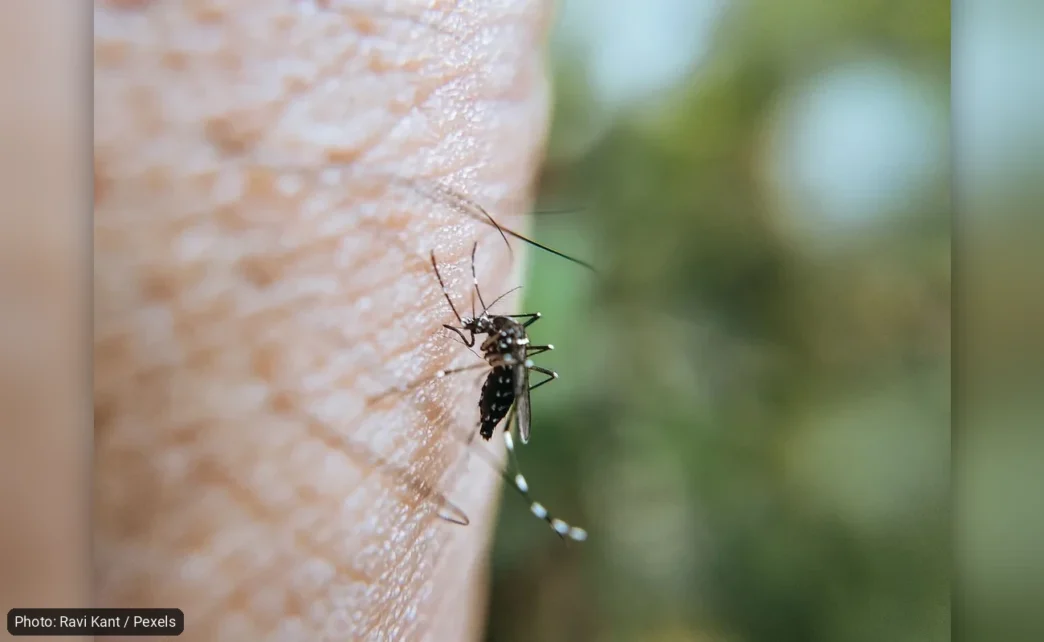
Because the Aedes aegypti mosquito that spreads dengue breeds in small amounts of standing water, prevention is mostly about housekeeping. Empty and scrub flowerpot trays, buckets and pet bowls at least once a week, keep pool covers drained rather than pooled, and make sure roof gutters and rain barrels aren’t collecting stagnant water. Covered water tanks (tinacos) should be checked for tight-fitting lids, and old tires, cans or containers sitting in yards should be tossed or turned upside down.
For households that leave for part of the year, it’s worth checking these spots before settling back in; the Gazette’s dengue season checklist for returning snowbirds walks through what to inspect after an empty house sits closed up for months. Screens on doors and windows, mosquito netting and repellent containing DEET or picaridin round out the basics.
What’s Next
The congressional request also calls for extra sanitation measures before, during and after the Baja 1000 off-road race, including more trash bins and faster garbage pickup in areas where spectators gather along the course. State Health officials have already run large-scale fumigation campaigns this year, and municipalities are now being asked to pitch in with vehicles, personnel and facilities to keep the cleanup going.
Legislator Teresita Valentín Vázquez, who introduced the measure, emphasized the goal of keeping the disease from spreading into municipalities like Mulegé that currently have no confirmed cases, while Karina Olivas Parra proposed that municipalities contribute vehicles, facilities and personnel to the effort. Fellow legislator Christian Fabrizio Del Castillo Miranda said ongoing cooperation between authorities and residents remains key to bringing the numbers down before the next transmission season.
