


Baja California Sur’s health department has started tracking dengue patients on a daily basis, a response to ongoing transmission in Ciudad Constitución and Cabo San Lucas. The state is also setting up a dedicated fever clinic inside the Ciudad Constitución hospital this week to handle the caseload.
The moves come as part of a broader push that has included fumigation campaigns and staff training described in earlier coverage of the state’s dengue response efforts. Officials say the new monitoring system targets patients most likely to develop complications.
How the Daily Check-Ins Work
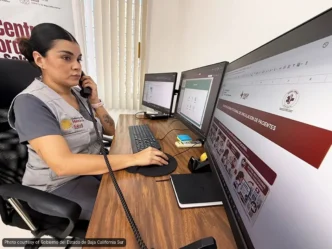
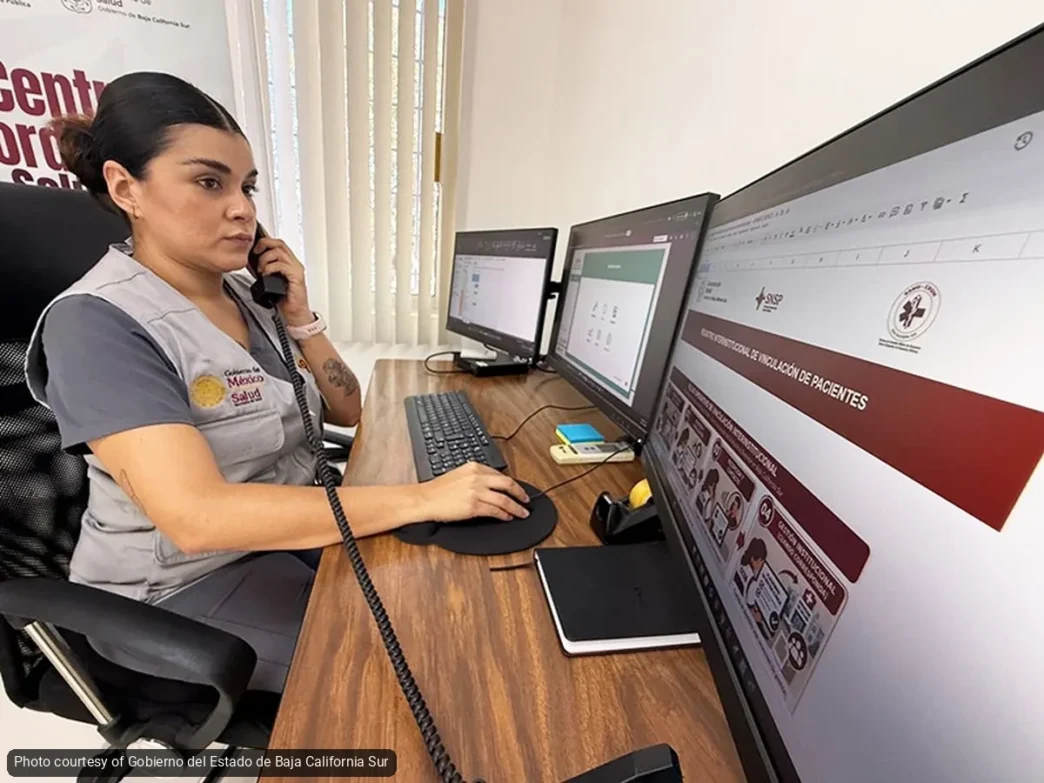
Starting this week, the state Health Department and the National Public Health Service (SNSP, Mexico’s federal public health service) began remote daily follow-up for people diagnosed with dengue in public health institutions, according to the state government. The system focuses on patients at higher risk of complications, mainly due to age or underlying health conditions.
Patients receive a text message or app notification, followed by a short questionnaire about their symptoms. If health staff detect warning signs, they can arrange transport to the appropriate hospital with support from SAMU, the state’s emergency medical response system.
Health Secretary Ana Luisa Guluarte Castro said hospital occupancy tied to dengue remains below six percent of available beds across the state’s public health system. Still, she noted that the most dangerous phase of the illness often appears 24 to 48 hours after a fever breaks — which is exactly when the daily check-ins are concentrated.
Warning Signs to Watch For
Health officials are urging anyone recovering from dengue, or caring for someone who is, to watch for bleeding from the gums or nose, blood in stool or urine, persistent vomiting, extreme weakness, lethargy, reduced urination, or severe abdominal pain. Any of these symptoms warrants immediate medical attention rather than waiting it out at home.
There is no specific medication that cures dengue, so treatment focuses on managing symptoms and watching for complications — which is the main purpose of both the new monitoring system and the fever clinic described below.
New Fever Clinic in Ciudad Constitución
The state Health Department is also supporting IMSS Bienestar, the federal health program for uninsured residents, in setting up a clinic specifically for fever cases inside the General Hospital of Ciudad Constitución this week. The plan calls for hiring additional medical and nursing staff immediately to run the clinic and provide supportive care for dengue symptoms.
Authorities will also open a 12-hour weekend service, Saturdays and Sundays, at the urban health center in Ciudad Constitución to handle demand from the municipality’s active dengue transmission. The state is distributing rapid dengue tests to IMSS Bienestar, IMSS and ISSSTE facilities, while the federal disease-control center CENAPRECE is sending more fumigation units and insecticide to the area.
Comondú’s municipal government has agreed to begin neighborhood cleanup campaigns this week to clear containers and debris that let mosquitoes breed, officials said. Fumigation kills adult mosquitoes but not larvae, so residents are being asked to empty standing water around their homes rather than rely on spraying alone — a point echoed in previous reporting on the state’s dengue response in Los Cabos and Comondú.
Where to Seek Care
Anyone with fever and dengue symptoms in Ciudad Constitución or Cabo San Lucas — the two areas officials describe as having the most active transmission — should seek evaluation at a public hospital or health center rather than waiting for symptoms to worsen. Rapid tests are now more widely available through IMSS Bienestar, IMSS and ISSSTE, and the new weekend hours in Ciudad Constitución are meant to reduce the wait for a diagnosis.
Officials have not announced a timeline for when the daily monitoring program or the fever clinic might scale back, suggesting both will remain in place as long as transmission stays active in these two municipalities.
