


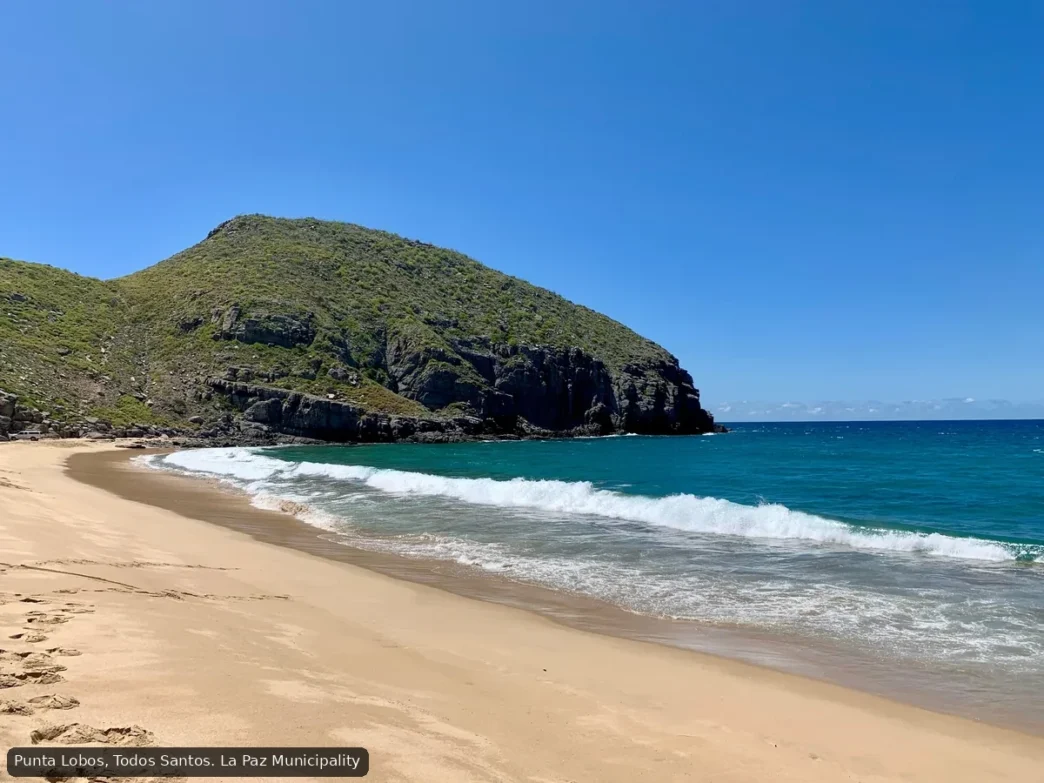
La Paz now holds six Platinum Beach certifications after Punta Lobos, the well-known surf spot in Todos Santos, earned the designation in ceremonies held this week. The addition marks the latest expansion of a program that recognizes beaches meeting national standards for water quality, safety, cleanliness and environmental services.
Acting Mayor Amor Fenech Montaño announced the new certification alongside renewals for five beaches that already held the distinction: Balandra 1, Balandra 2, El Coromuel, El Saltito and El Saltito Original. The group of certified beaches has grown steadily since 2024, when the municipality first entered the program with four locations.
For residents and visitors who spend time at La Paz’s popular beaches, the certifications offer a practical signal about which spots are actively monitored and managed. The designation requires beaches to meet criteria covering environmental quality, waste management, visitor services and emergency protocols.
What Platinum Beach Status Means
According to municipal officials, the certification process involves regular inspections and adherence to standards developed by federal environmental authorities. Beaches must demonstrate consistent performance in categories including water testing, lifeguard presence, bathroom facilities, signage and conservation practices.
The Punta Lobos designation extends the program beyond La Paz proper and into the Todos Santos delegation, where the beach draws surfers and tourists year-round. The spot sits roughly an hour’s drive north of downtown La Paz and has long been recognized as one of Baja California Sur’s most consistent surf breaks.
Fenech Montaño described the achievement as a shared effort between government agencies, private-sector tourism operators and residents. “Caring for our beaches is not the work of a single day or a single institution,” she said during the ceremony. “It is a shared responsibility among government, citizens, the tourism sector and visitors.”
Growth in Certified Beaches
The municipality’s roster of Platinum Beaches has grown 50 percent in two years. La Paz started with four certified beaches in 2024, added a fifth in 2025, and now stands at six with the inclusion of Punta Lobos. The expansion reflects increasing municipal focus on coastal management as tourism and residential development continue to grow along the Sea of Cortez.
For travelers and expats planning beach outings, the certifications provide a shorthand guide to locations where water quality is tested, trash is collected daily, and emergency services are coordinated. The program also includes environmental education and conservation initiatives designed to protect marine ecosystems and minimize visitor impact.
Beach safety has drawn renewed attention in recent months following several drowning incidents at popular Baja California Sur destinations. While Platinum Beach certification does not eliminate natural hazards like strong currents or high surf, it does require beaches to maintain lifeguard coverage and post clear warnings during dangerous conditions.
Balandra Remains Flagship Location
Among the renewed certifications, Balandra continues to serve as the municipality’s flagship beach. The shallow bay and distinctive mushroom rock have made it one of the most photographed locations in the state, and international recognition has driven increasing visitation in recent years.
Municipal authorities manage Balandra with daily entry limits and reservation systems during peak season to prevent overcrowding and protect fragile coastal vegetation. The two certified sections of Balandra represent different access points within the protected area, each subject to the same environmental and safety standards.
El Coromuel and the two El Saltito beaches, located closer to the city, offer easier access for residents and day-trippers. Those locations serve as popular spots for families and tend to have calmer water conditions than the open-coast beaches near Todos Santos.
What Comes Next
The municipality has not announced plans to pursue additional certifications, but the steady expansion suggests the program could grow further as tourism infrastructure develops along the coast. Officials emphasized that maintaining existing certifications requires year-round work from the Federal Maritime Land Zone office, which handles daily beach maintenance and inspection.
For beachgoers, the practical takeaway is straightforward: the six certified beaches represent locations where water quality is monitored, services are standardized, and environmental management is actively enforced. Whether that matters depends on what you are looking for—remote, undeveloped beaches remain plentiful along the La Paz coastline, and many longtime residents prefer spots that do not carry official designations.
Still, for tourists, snowbirds and families planning trips around safe swimming and reliable facilities, the Platinum Beach list offers a useful starting point. As the program continues to grow, it also signals the municipality’s broader strategy of balancing tourism promotion with environmental protection—a tension that will shape coastal management decisions for years to come.