



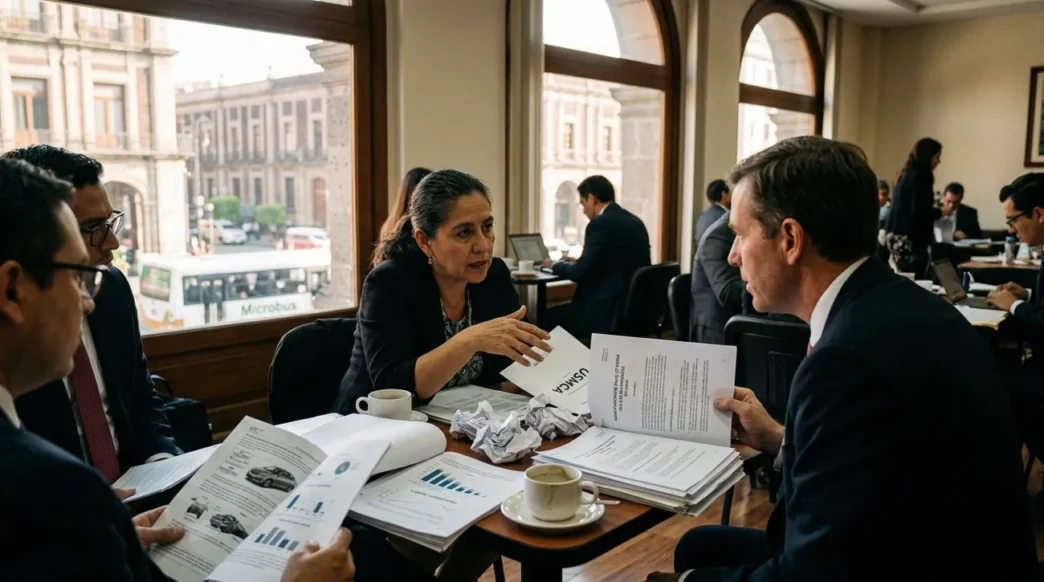
The United States and Mexico will convene in Mexico City on July 21 for the third bilateral negotiating round related to the Joint Review of the United States-Mexico-Canada Agreement (USMCA). Negotiating teams plan three days of discussions covering trade in steel and aluminum, automobiles, economic security, labor, agriculture and electronic payment services.
For readers who follow cross-border business, the talks matter because USMCA governs much of the commercial flow between the two countries. And for those who watch Mexico’s economic competitiveness, these sessions offer a window into how officials handle friction points in North American trade.
Progress Before the Meeting
U.S. Trade Representative Ambassador Katherine Tai Greer acknowledged recent improvements on several fronts. According to official statements, Mexico has published updated regulations on dual-use exports that align more closely with U.S. controls. The country also introduced an upgraded single-window customs system in May and operationalized a customs broker agency program at all Mexican ports in July.
On intellectual property, Mexico took what officials called “substantial actions” to address concerns involving pharmaceutical IP, criminal enforcement, border enforcement and online piracy. Mexico is also working to control avocados grown on illegally deforested land and manage industrial wastewater discharges that affect the southwestern United States.
What the Talks Mean for Baja Businesses
The negotiating session comes as Mexico handles a long list of technical trade issues. Ambassador Greer said her goal is to ensure the U.S.-Mexico trading relationship benefits manufacturers, farmers, ranchers, workers, service suppliers and businesses of all sizes while closing loopholes that allow non-parties to benefit.
Translation: officials want to tighten the rules around who gets USMCA benefits and make sure trade flows work as intended. That includes making sure Chinese or other non-USMCA goods do not slip through using Mexican or Canadian ports as backdoors.
For Baja residents and businesses that depend on cross-border commerce, customs improvements and clearer rules should mean fewer delays and more predictable treatment at ports of entry. Mexico’s simplified testing requirements for telecommunications equipment have already helped facilitate U.S. exports to Mexico, and further progress on customs could smooth logistics for goods moving in both directions.
The Bigger Picture
These talks are part of an ongoing Joint Review process built into USMCA. The agreement requires the three member countries to periodically examine how the deal is working and address disputes or gaps. This round focuses on bilateral U.S.-Mexico issues, with Canada holding separate sessions.
The negotiations take place against a backdrop of rising concerns about economic security, labor standards and the role of China in North American supply chains. How Mexico and the United States resolve these issues will shape trade policy for years and affect everything from automotive manufacturing to agricultural exports.
The three-day session begins Monday. Whether it produces new agreements or simply advances ongoing discussions remains to be seen. Either way, the meeting reflects how much attention both governments are giving to keeping USMCA functional and fair.


