


As global temperatures continue to rise, heat-related illnesses are becoming an increasingly serious concern. According to the World Meteorological Organization (WMO), a United Nations agency, new temperature records are likely to be set between 2026 and 2030 as the planet continues to warm.
Research published in the journal Nature Climate Change and led by the European Centre for Medium-Range Weather Forecasts in the United Kingdom shows that extreme heat will no longer be confined primarily to daytime hours. Scientists predict that hotter nights and more intense heat waves will become more common, surpassing temperature records set in both 1950 and 2024.
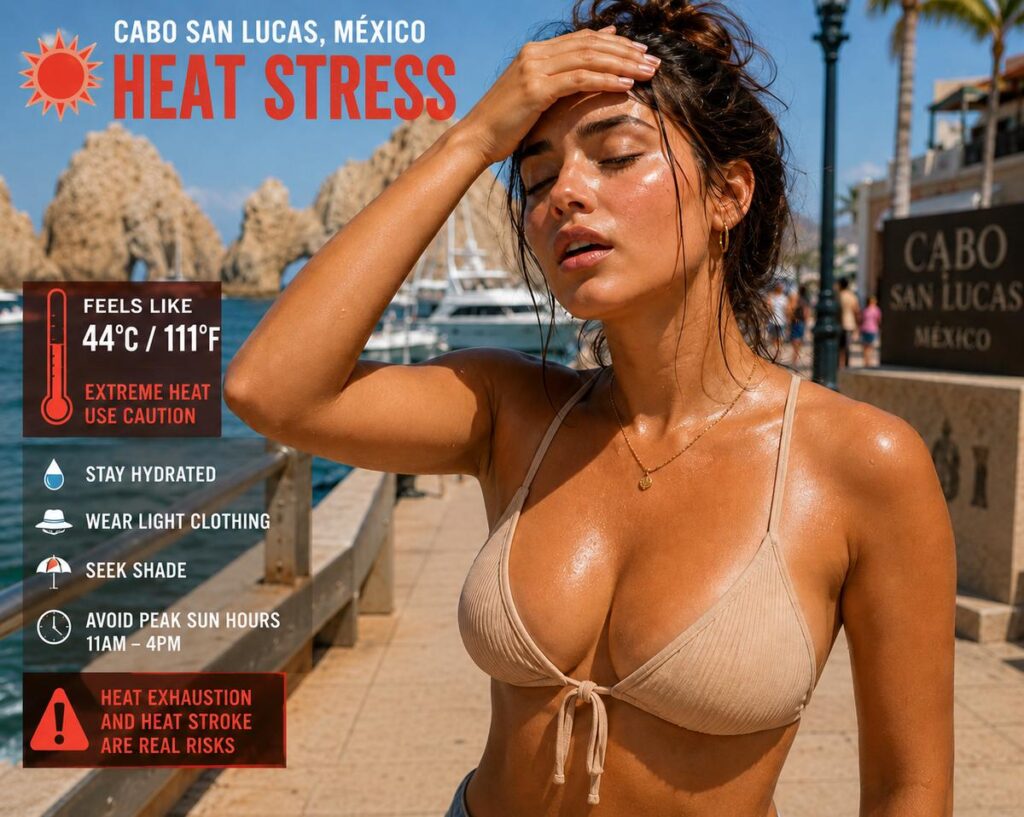
Understanding Heat Stress and Its Dangers
Thermal stress, commonly known as heat stress, occurs when the body is unable to maintain a healthy temperature balance. According to UNIR, a digital publication focused on engineering topics, thermal stress can result from either excessive heat accumulation or excessive heat loss. One of the leading causes is exposure to unfavorable working conditions, particularly environments that are not suitable for the safe performance of a task or service.
Recognizing and Treating Heat Exhaustion
Health experts say prompt action is essential when dealing with heat exhaustion. Anyone experiencing symptoms such as dizziness, nausea, heavy sweating, headache, or weakness should immediately move to a shaded or air-conditioned area and rest. Tight clothing should be loosened, and cool, wet cloths or ice packs should be applied to the neck, armpits, and groin. Drinking cool water or an electrolyte beverage can also help restore hydration.
If symptoms do not improve within an hour, or if a person becomes confused, develops slurred speech, or stops sweating altogether, signs that may indicate heat stroke, emergency medical attention should be sought immediately.
Prevention remains the most effective defense against heat stress. Experts recommend drinking fluids regularly throughout the day, even before feeling thirsty, and avoiding caffeine and alcohol, which can contribute to dehydration.
Wearing lightweight, loose-fitting, light-colored clothing can help the body stay cool. A wide-brimmed hat and sunscreen provide added protection from the sun. Strenuous outdoor activities should be limited to the cooler parts of the day, such as early morning or late evening. Individuals spending time in high temperatures should also gradually increase their exposure over several days to allow their bodies to adjust to the heat.
By taking these precautions, individuals can reduce their risk of heat-related illnesses and stay safer during increasingly frequent periods of extreme summer heat.