


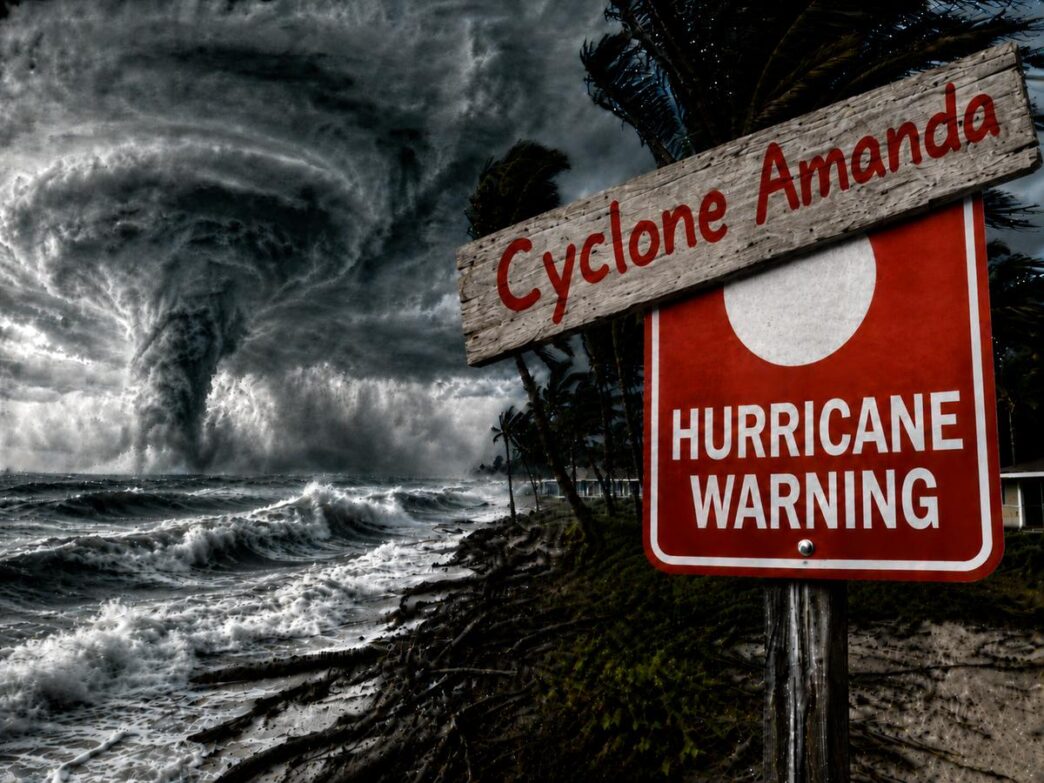
Meteorological authorities in Mexico are closely monitoring a low-pressure system in the Pacific Ocean that is expected to develop into Tropical Storm Amanda, potentially becoming the first named storm of the 2026 Pacific hurricane season.
According to the National Meteorological Service (SMN) and the National Water Commission (Conagua), the system has an 80 percent probability of developing into a tropical cyclone within the coming hours. Favorable oceanic and atmospheric conditions, including warm sea-surface temperatures and supportive wind patterns, are accelerating its organization.
Although the disturbance remains far offshore, its circulation is already influencing weather conditions across parts of Mexico by transporting moisture and increasing cloud cover. Specialists have noted the rapid pace at which the system has gained structure, drawing heightened attention from forecasters.
System Monitoring and Uncertainty
Weather models indicate the low-pressure area is moving slowly while continuing to draw energy from the warm Pacific waters. However, its eventual path remains uncertain, prompting meteorological agencies to issue frequent forecast updates to determine whether the system will approach land or remain offshore.
Amanda’s potential impacts extend beyond the possibility of a direct landfall. Tropical systems can generate heavy rainfall, dangerous currents, and elevated wave heights even when they remain far from the coast. These conditions increase the risk of flooding, landslides, and damage in vulnerable communities.
Civil Protection authorities have urged residents in coastal areas to remain attentive to official advisories. Small craft operators and those involved in maritime activities are also being advised to exercise caution as sea conditions are expected to deteriorate gradually.
The U.S. National Hurricane Center is also monitoring the disturbance in coordination with Mexican meteorological agencies. Forecasters expect to determine within the next several hours whether the system will reach the organization necessary to be officially designated as Tropical Storm Amanda.
El Niño’s Role in Storm Activity
The developing storm comes as scientists continue to monitor the effects of El Niño, a natural climate pattern characterized by unusually warm sea-surface temperatures in the equatorial Pacific Ocean. The phenomenon alters atmospheric circulation and can affect rainfall, drought patterns, hurricanes, and temperatures worldwide.
In Mexico, El Niño often contributes to significant shifts in weather conditions. Increased wind shear associated with the phenomenon can reduce tropical cyclone activity in the Atlantic, while some regions experience prolonged drought and above-average temperatures. Agricultural production and water availability may also be affected.
Historical El Niño Events and Impacts
Particularly strong El Niño events are sometimes referred to as “Super Niño” or “Niñodzilla.” Notable episodes occurred in 1982 – 83, 1997 – 98, and 2015 – 16, among the most intense on record. During these events, sea-surface temperatures in the tropical Pacific rise well above normal levels, amplifying climate impacts across the globe.
Super El Niño events have been linked to severe flooding, prolonged droughts, and record-breaking global temperatures. The 1997 – 98 event caused billions of dollars in economic losses, disrupted agriculture in numerous countries, and damaged marine ecosystems through abnormal ocean warming. The 2015 – 16 episode also contributed to some of the warmest years ever recorded at the time.
Researchers continue to examine the relationship between El Niño, climate change, and the increasing frequency of extreme weather events. While El Niño is a naturally occurring phenomenon, growing evidence suggests that a warming climate may intensify some of its effects, increasing the likelihood of droughts, torrential rainfall, heat waves, and other weather-related disruptions affecting millions of people worldwide.
Authorities recommend that residents continue monitoring official forecasts and advisories as the system develops.