

The United States first observed an official national Mother’s Day on May 10, 1914, following a proclamation by President Woodrow Wilson. In Mexico, the holiday took longer to take hold. Although some communities in northern Mexico were influenced by the U.S. tradition, it was not until 1922 that the country formally embraced the celebration.
An editorial in the Mexico City newspaper Excélsior, supported by a widespread media campaign and strong backing from the Catholic Church, helped establish the holiday. Mexico officially marked its first Mother’s Day on May 10, 1922, becoming the first country in Latin America to do so.
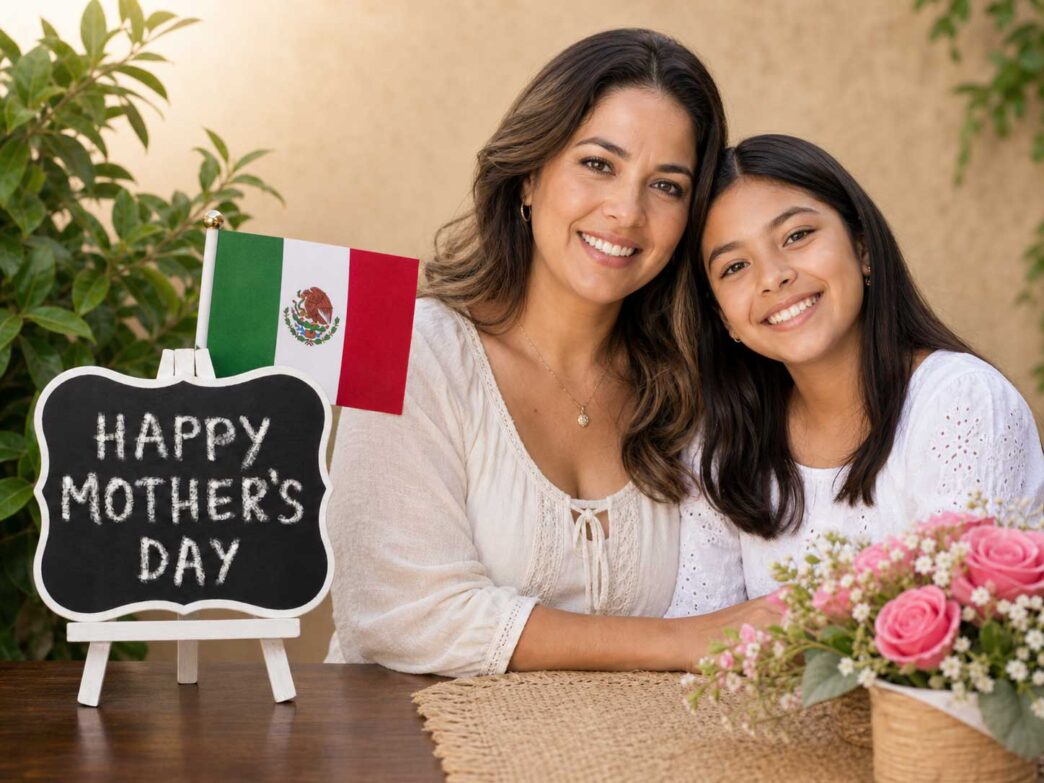
The Excélsior editorial emphasized the connection between motherhood and traditional Mexican values. The Archbishop of Mexico reinforced this sentiment, declaring that “the family is a sacred social unit.” While the United States and Canada celebrate Mother’s Day on the second Sunday of May, Mexico observes it annually on May 10.
Traditions in Mexico typically include giving gifts and cards, as well as gathering for lunch or dinner. Restaurants are often fully booked weeks in advance. Many families instead choose to celebrate at home, preparing meals and spending time together.
Music also plays a central role. It is common for families to serenade mothers with mariachi bands, adding a festive and deeply personal touch to the day. Although Mother’s Day is not a public holiday, it remains one of the most cherished occasions of the year.
Businesses sometimes close early to allow employees time with their families. Over the decades, the holiday has gained global popularity. In Mexico it carries a particularly strong cultural significance. Celebrations often extend beyond a single day, beginning on May 9 and continuing through May 11.