


The East Cape stretches more than 60 miles along the Sea of Cortez, encompassing small communities and beaches such as La Ribera, Cabo Pulmo, and popular surf spots including Shipwrecks, La Fortuna and Nine Palms. Located northeast of San José del Cabo, the region begins just past Puerto Los Cabos near La Playita, where a newly paved highway gives way to older dirt roads and a largely undeveloped coastline.
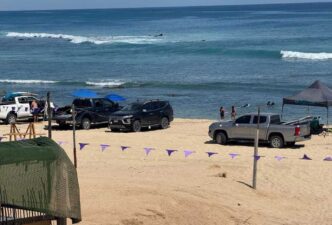
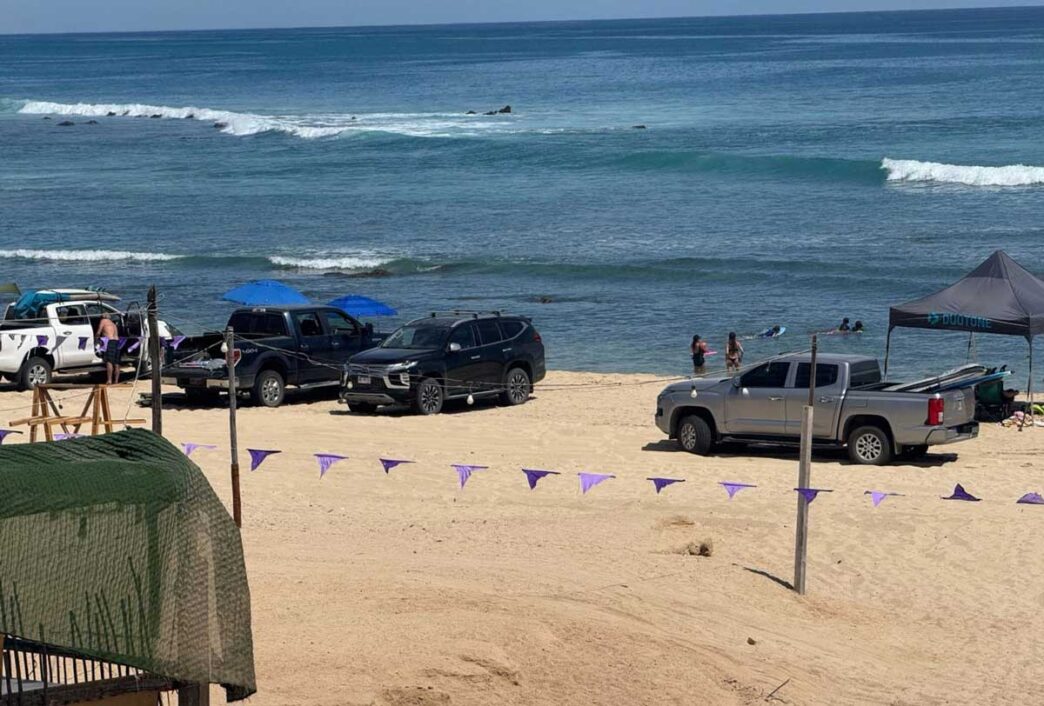
Long before the arrival of Spanish conquistador Hernán Cortés in 1535, the area was inhabited by the Guaycura and Pericú peoples. With a centuries-old history of turtle nesting, the coastline is considered a sacred habitat where sea turtles return to lay their eggs. That fragile ecosystem is now under pressure from a surge in illegal beach camping, as expatriates and local surfers park vehicles directly on the beach despite regulations prohibiting it.
While some argue that Mexico’s beaches are public and accessible to all, authorities emphasize that the restriction applies to vehicles, not people. Recent laws prohibit parking within 20 meters of the shoreline at Nine Palms Cove, yet violations are common. Campers often set up within the restricted zone, lighting campfires, hosting gatherings and cooking on the beach, activities that conservationists say threaten nesting turtles.
The East Cape population grew from about 13,800 in 2010 to more than 21,000 in 2020, and projections suggest it could exceed 138,000 by 2040. Visitors now travel from as far as TodosSantos to camp and surf in the area, increasing pressure on already limited infrastructure.
Nine Palms, one of 133 beaches in Baja California Sur, ranks among the region’s top surf destinations. The nearest town, Los Frailes, lies 23 kilometers (14.3 miles) away. Despite its remoteness and lack of services, the beach has become increasingly accessible, attracting families, surfers and tourists.
What was once a secluded stretch of coastline is now the focus of a growing conflict between conservation advocates and those drawn to its natural appeal. Federal agencies responsible for environmental protection, including Semarnat, Zofemat, Conagua and Profepa, are tasked with enforcing regulations. However, residents say these agencies are understaffed and lack the resources to patrol such a remote area effectively or to investigate and remove illegally parked vehicles.
Concerned citizens have turned to local media, including the Gringo Gazette, seeking greater awareness and enforcement to protect one of the region’s most historically and environmentally significant habitats.

You show a picture of cars on the beach but you didn’t mention that Victor and Tom have put up. Chain to enter the arroyo .
These beaches, attracting surfers, families, and tourist, shouldn’t it be the headline by concern citizens, you mean Karen’s have no regard for Mexican families and use the turtles for a straw argument. There are more turtles now than they’re ever have been.
Perhaps keep in mind before singling out expats and surfers, that a vast majority of the cars on the beach belong to Mexicans. I’d invite you out on any given Sunday for a stroll along our East Cape beaches and we can count together the demographic. You will be quite surprised, I’m sure.