


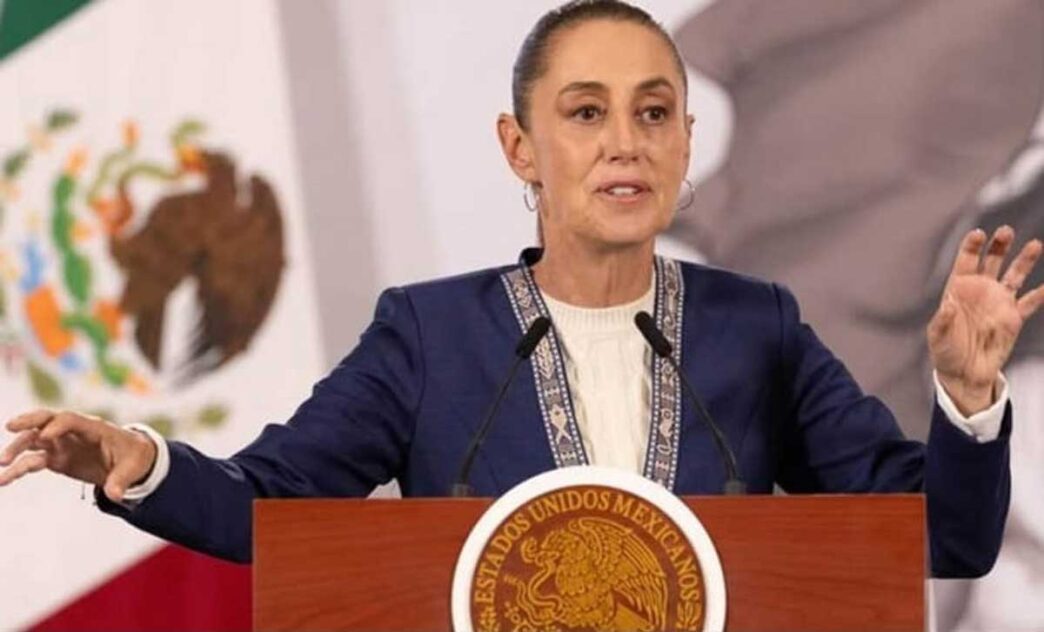
Mexican President Claudia Sheinbaum signed a decree setting up the Universal Health Service (Servicio Universal de Salud), a sweeping initiative aimed at providing free, comprehensive medical care to all 120 million residents, regardless of employment or insurance status.
The plan will combine the country’s public health institutions — IMSS, ISSSTE and IMSS-Bienestar, allowing patients to receive treatment at any public facility. The first phase of integration is set to begin Jan. 1, 2027. Registration for the Universal Health Credential opensApril 13, 2026, starting with residents 85 and older.
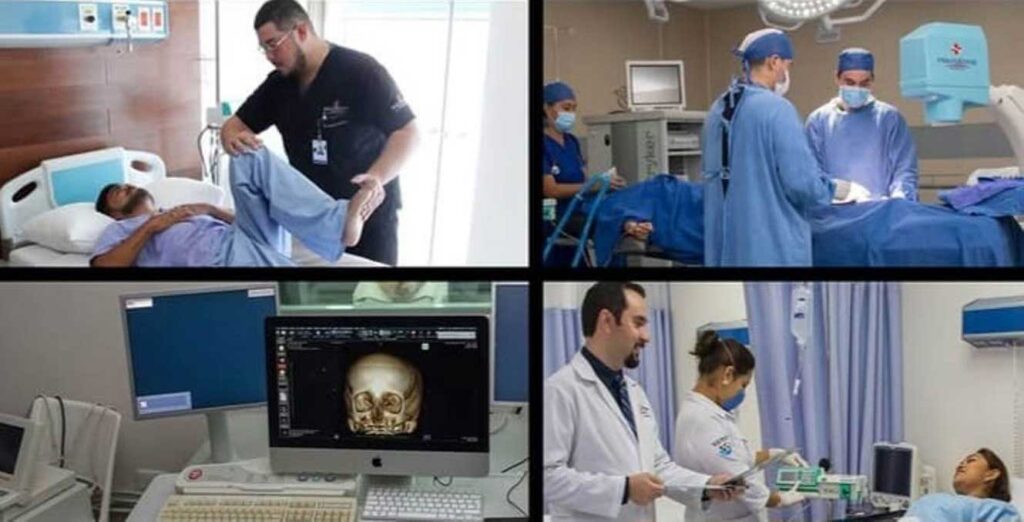
The program is designed to cover a full range of services, including emergency care, surgeries, cancer treatment and medications.
The initiative seeks to close longstanding gaps in access by merging the three public systems into a single network, a major step toward universal coverage. Critics, however, warn of significant challenges, including persistent medicine shortages and the risk of overburdening already strained public hospitals.
Sheinbaum called the measure “a historic step,” saying the goal is for any Mexican to receive care at any public institution. The policy aims to eliminate a fragmented system that has often restricted patients to facilities tied to their insurance, leaving many without access to needed care.
While Mexico’s extensive public health network theoretically provides broad coverage, in practice low-income and rural populations often face shortages of medicines and services, forcing out-of-pocket spending. Private insurance has filled these gaps, creating a two-tier system based on income.
Since taking office in 2024, Sheinbaum has pursued policies aimed at reversing decades of market-driven reforms, building on initiatives introduced by her predecessor, Andrés Manuel López Obrador. Her administration has pledged to construct 1.8 million homes to address a housing shortage and strengthen tenant protections. In 2025, she reduced the standard workweek from 48 to 40 hours and raised the minimum wage by 13%, continuing a series of increases begun in 2018.
“For years it was said the minimum wage couldn’t go up, that it would cause inflation and deter investment,” Sheinbaum said at a December conference. “Despite that, following a cumulative increase of 154% since 2018, we are at a record level of foreign investment.”
The new universal health ID card will eventually replace existing IMSS and ISSSTE membership cards. Deputy Health Minister Eduardo Clark described it as “the guarantee of the right to health care” for citizens and eligible foreign residents. The card will include the holder’s name, CURP national identification code, blood type, organ donation status and two QR codes identifying the user’s affiliated provider and nearest clinic.
A companion mobile app is also planned. In 2026, it will offer a digital version of the card and real-time information on nearby facilities. By 2027, it is expected to include appointment scheduling, medical records and AI-assisted teleconsultations.
To register, applicants must present a government-issued photo ID, a certified CURP, proof of address dated within the past six months and a contact phone number. Registration centers will be open Monday through Saturday from 9 a.m. to 5 p.m. Locations can be found at gob.mx/bienestar.