



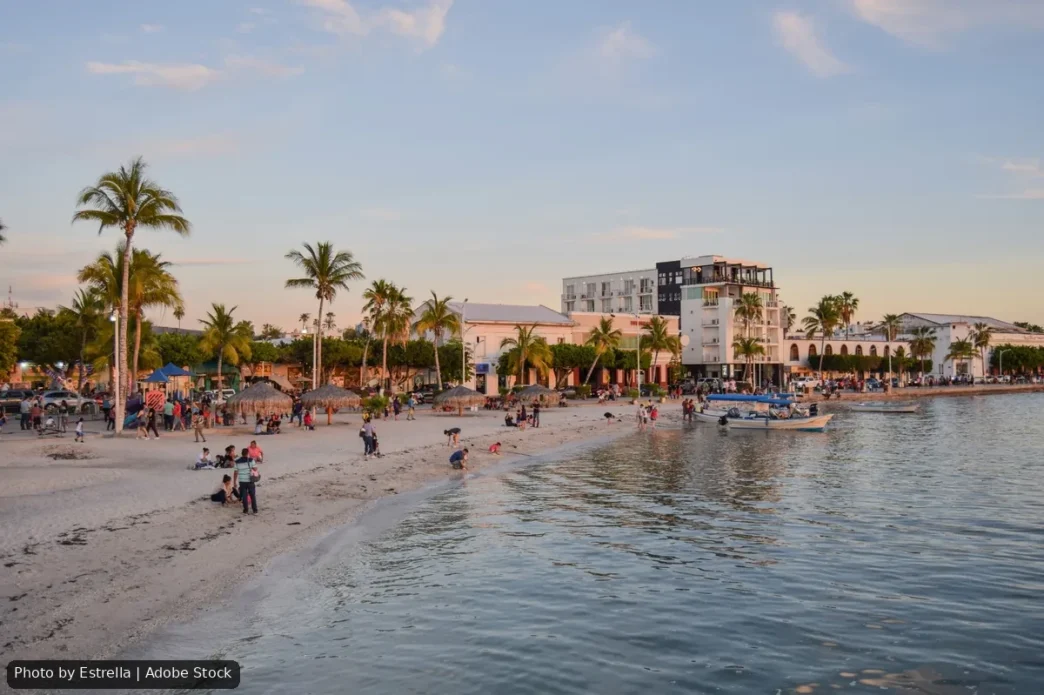
La Paz’s summer beach safety program wrapped up last week with a rare accomplishment: zero drownings across 36 beaches and no fatalities of any kind during one of the busiest stretches of the year.
The Operativo Verano Seguro, which ran from July 17 through August 31, deployed 24 officers and six official units daily to patrol beaches across the municipality. The operation logged 92 beach patrols and 30 rotating surveillance carousels throughout the season.
In total, authorities monitored the movement of 188,453 vehicles—96,773 heading toward the beaches and 91,680 returning to the city—a snapshot of the seasonal surge that typically strains public safety resources.
What Authorities Say
Municipal officials credited the outcome to coordination among police, armed forces, emergency responders, volunteer groups and city departments. No drownings were recorded, and no pre-hospital medical care was required at any beach.
The program covered 21 beaches within the city of La Paz and 15 more in surrounding delegations. Officers ran a targeted traffic operation between El Tecolote beach and the malecón, logging 2,048 vehicles and focusing on speed control and orderly flow.
Minor Incidents Reported
Two traffic accidents involving five injuries and two beach robberies were reported during the period, but neither resulted in serious harm. The municipality deployed 51 traffic units, 108 officers, seven motorcycle patrols and 69 foot-patrol agents to manage roadways and beach access points.
The clean outcome stands in contrast to earlier beach safety concerns across Baja California Sur and follows the launch of the program in mid-July, when officials announced the operation ahead of peak tourist and resident beach use.
What It Means for Visitors and Residents
For English-speaking residents and seasonal visitors, the summer patrol reflects an ongoing municipal effort to make La Paz’s coastline safer without heavy-handed enforcement. The city manages a mix of accessible urban beaches and more remote stretches used by locals and day-trippers alike.
Officials say the preventive approach—visible patrols, traffic monitoring and coordinated emergency response—will continue beyond the summer season, though specific timelines and resource commitments for fall and winter have not been detailed.
The municipality announced it will strengthen prevention and surveillance strategies moving forward, though it did not specify whether the zero-drowning result will set a new operational benchmark or change how resources are deployed in future seasons.
Source Note: This story is based on original reporting by BCS Noticias. It has been independently rewritten and adapted by the Gringo Gazette South for our English-speaking readers, with additional context where appropriate.
