




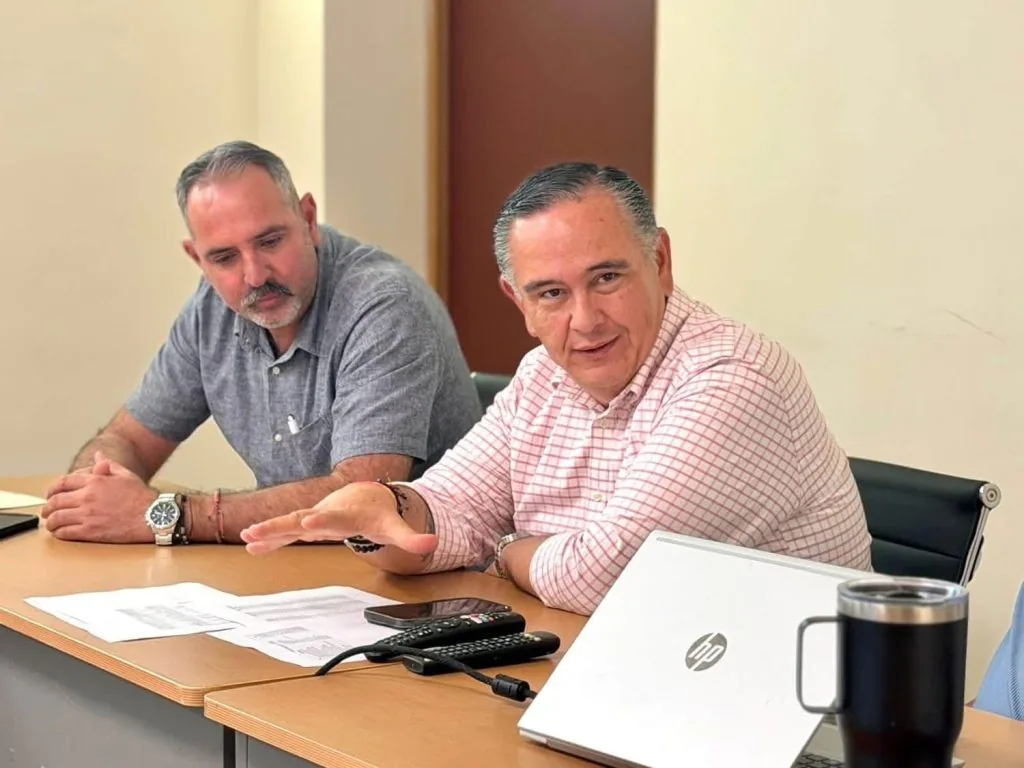
Los Cabos municipal officials and representatives from the Comisión Federal de Electricidad (CFE) — Mexico’s federal power utility — are working to identify rural communities and potential beneficiaries for a national electrification program aimed at bringing power to families living beyond the reach of the conventional grid.
The initiative, known as the Programa Universal para la Electrificación, is a federal effort managed by CFE. The Los Cabos municipal government is assisting by compiling data on locations, access routes and potential beneficiaries, drawing on the municipality’s ongoing work with rural families and infrastructure across the territory.
Carlos Castro Ceseña, director general of social development for the municipality, said the focus is on installing photovoltaic systems in homes that currently lack access to conventional electrical service. In Baja, a project is never just a project. It is a promise, a budget, a ribbon-cutting photo and, eventually, a test of whether anyone remembered the maintenance plan.
Which Communities Are Being Considered
The municipality has not yet released a list of specific rancherías or communities under review. However, officials say the identification process will prioritize areas where families have no current access to the grid and where extending traditional infrastructure would be prohibitively expensive or logistically unfeasible.
Municipal rural development director Raúl Montaño Ojeda participated in the planning session. The municipality will work with CFE to finalize the registry of potential sites and beneficiaries over the coming weeks, according to a statement from the Ayuntamiento.
What the Program Offers
The Universal Electrification Program is funded by the federal government and delivered through CFE. It provides off-grid solar power systems — typically photovoltaic panels, batteries and basic electrical infrastructure — to households in rural areas without conventional service.
For families living in isolated rancherías, many of whom rely on generators, gas lamps or no power at all, the program can make a meaningful difference in daily life: refrigeration, lighting, communication and access to information.
Castro noted that the program complements existing municipal infrastructure efforts funded through the Fondo de Aportaciones para la Infraestructura Social (FAIS), a federal fund for local public works. During the 2025–2026 budget cycle, the municipality delivered 110 photovoltaic systems to various communities in Los Cabos, including rural zones along the East Cape corridor.
How Families Can Apply
The municipality has not yet announced a formal application process or timeline for resident submissions. Officials indicated that a second planning meeting will be scheduled to review progress, finalize the list of eligible communities and establish next steps for enrollment.
Families interested in the program should monitor announcements from the Los Cabos municipal government or contact the Dirección Municipal de Desarrollo Rural for updates. It is likely that beneficiaries will be selected based on household location, lack of existing service and verified need.
Timeline and Next Steps
No firm rollout date has been announced. The municipal government and CFE agreed to reconvene after reviewing the data collected on communities with the greatest need. Once the registry is finalized, CFE will handle the installation and maintenance of the systems.
For expats living in rural areas, property owners considering rural tourism ventures or developers tracking infrastructure expansion in the East Cape and outlying zones, the program represents a modest but potentially significant shift in how rural electrification is approached in Baja California Sur.
Whether the project reaches the families who need it most will depend on how well the municipality and CFE translate the planning session into actual installations — and whether the systems arrive before the next election cycle.