


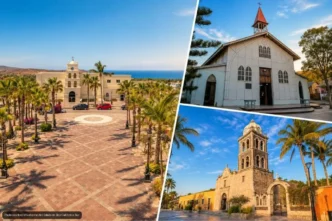
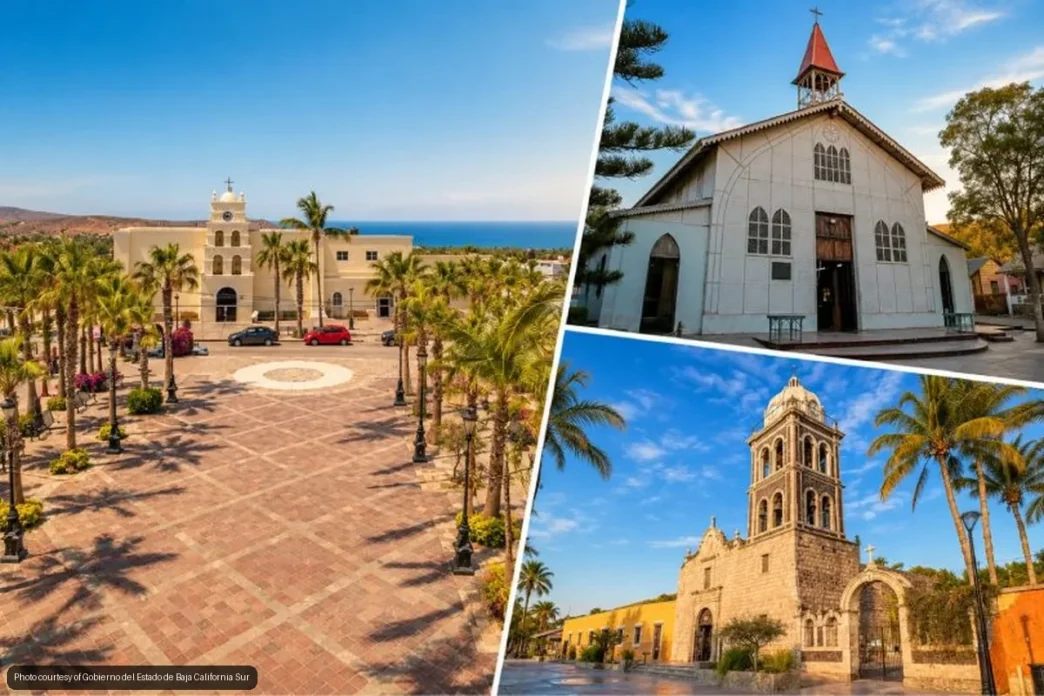
Baja California Sur has three towns carrying Mexico’s Pueblos Mágicos, or Magical Towns, designation — Todos Santos, Loreto and Santa Rosalía. State officials marked National Pueblos Mágicos Day on October 5 by saying they plan to lean harder on that status to pull visitors toward the state’s cultural side, not just its resort beaches.
The state’s tourism and economy secretary, Maribel Collins Sánchez, said the three towns represent different pieces of the region’s identity. She described Todos Santos as the state’s artistic, cultural and culinary hub, Loreto as home to a historic mission legacy paired with striking natural scenery, and Santa Rosalía as a town whose mining-era architecture reflects a distinct chapter of Baja Sur history, according to the state government of Baja California Sur.
What the Pueblos Mágicos Label Actually Means
Pueblos Mágicos is a federal program run by Mexico’s national tourism ministry, Secretaría de Turismo (SECTUR), that recognizes towns with notable cultural, historical or natural significance. The designation doesn’t come with automatic funding, but it does open doors to national and international marketing campaigns, cooperative promotion with other Magical Towns, and visibility on tourism maps aimed at travelers looking for something beyond a beach chair.
Why Todos Santos and Loreto Matter to This Push
For Los Cabos-based travelers, Todos Santos is the easy day trip — about an hour’s drive north on Mexico 19 — known for its art galleries, boutique hotels and a growing food scene that draws on both Baja Sur produce and Pacific seafood. Loreto, roughly six hours north by road or a short flight, carries a different draw: a 1697 Jesuit mission, a national marine park just offshore, and a slower, more historic pace than the Cabo corridor.
State officials say tying marketing dollars to the Pueblos Mágicos brand is meant to push visitors — and their spending — toward small hotels, independent galleries, artisans and local restaurants in these towns, rather than concentrating tourism dollars in the larger resort zones. Collins Sánchez said the goal is for tourism revenue to reach the people who actually live and work in these communities.
“Tourism needs to translate into well-being for the communities. That’s why we’ll keep working to preserve the essence of the Pueblos Mágicos and make sure the economic benefits reach the people who live and work in these towns,” Collins Sánchez said.
What’s Next for Promotion
The state says it will keep promoting all three towns nationally and internationally, including a planned appearance at the Tianguis Turístico de Pueblos Mágicos 2026, a tourism trade show scheduled for November 26-29 in Tampico, Tamaulipas, where Mexico’s Magical Towns pitch themselves to tour operators and travel buyers from across the country.
For travelers already in Baja Sur, the practical takeaway is simpler: both Todos Santos and Loreto are positioning themselves as destinations worth a dedicated trip, not just a side stop. Anyone planning a visit this season may want to book small-hotel rooms and gallery tours in advance, since both towns are being positioned as destinations worth a dedicated trip.
