


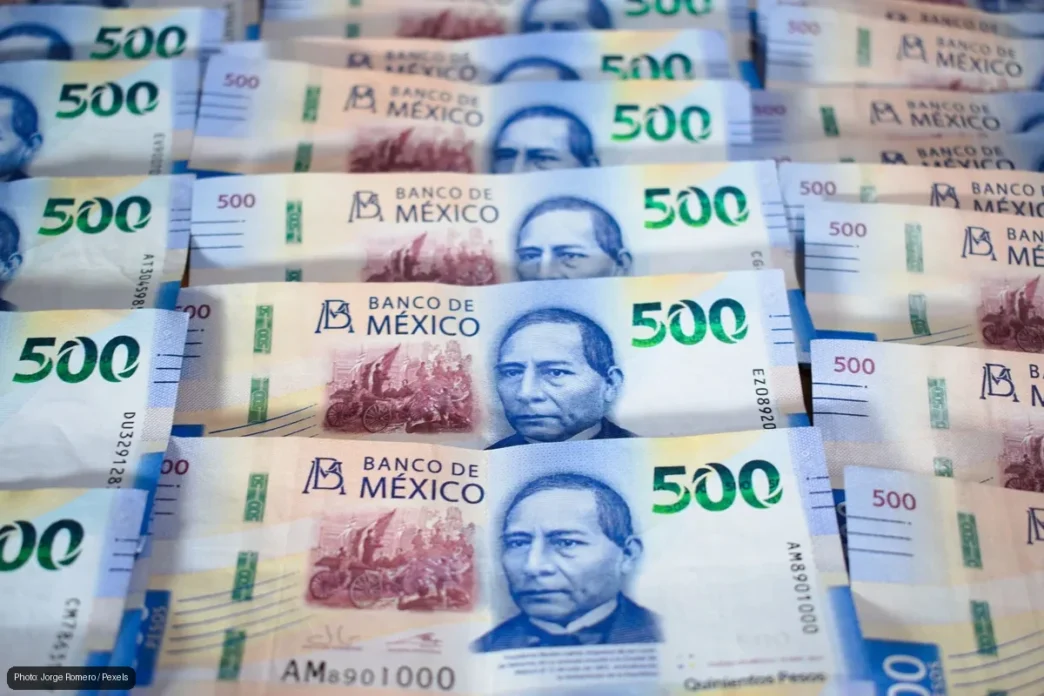
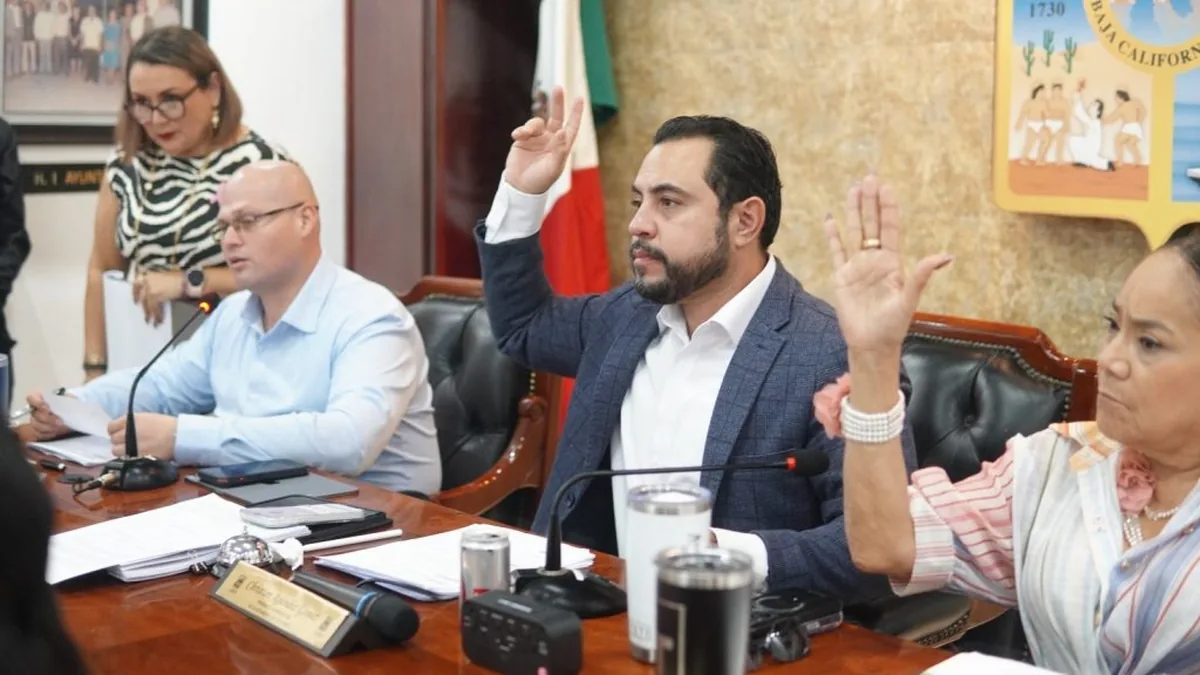
Los Cabos city council has signed off on a short-term loan of up to 350 million pesos, roughly $19 million USD, to make sure municipal paychecks clear on time at year’s end. The vote came during the council’s 27th Ordinary Public Session, and officials were quick to add the fine print: this is not new debt the next administration will inherit, but a bridge loan that has to be fully repaid by June 2027, before the current term ends, according to the municipality of Los Cabos.
In Baja, a budget line is never just a budget line. It is a promise, a legal filing, and eventually a test of whether the money actually lands where it is supposed to. In this case, the mechanism is what Mexican finance officials call a quirografario loan — essentially an unsecured, signature-based credit line granted on the strength of the municipality’s overall solvency rather than any specific collateral. It is authorized under the state’s Financial Discipline Law and the Baja California Sur Public Debt Law, both of which exist specifically to keep municipalities from quietly stacking debt onto future administrations.
Municipal finance director José Manuel Araiza Araiza told council members the paperwork is starting now because the law requires a public bidding process among banks, which typically takes 20 to 25 business days. The goal is to have the money in hand by early December, in time to cover year-end payroll obligations for police, firefighters, public services crews and the rest of the municipal workforce — including the Christmas bonuses, known locally as aguinaldos, that Mexican labor law requires employers to pay by December 20.
Why the City Needed a Cushion
The timing traces back to a revenue shortfall. Projected income from ISABI, the local property transfer tax that rises and falls with real estate sales, came in 17 percent below projections this year, a gap of about 233 million pesos. That drop landed on top of a separate 338 million peso payment the city made this year to Mexico’s federal tax authority, the SAT, covering obligations from the 2023 fiscal year. Property transfer tax is closely tied to the pace of foreign investment in the state, which has been a reliable revenue source in recent years but is not immune to a slow quarter.
Araiza framed the loan as the payoff of two years of financial cleanup rather than a sign of trouble. When the current administration took office, it inherited unpaid withheld income tax and FOVISSSTE housing-fund contributions that were racking up fines and risking the withholding of federal revenue-sharing transfers. With those debts cleared, the city is current on its obligations and, notably, creditworthy again: rating agencies Standard & Poor’s, Fitch Ratings and PCR Verum have each upgraded the municipality’s rating over the past two years, which is what allowed it to borrow at preferential rates this time around.
Under state law, Los Cabos could have requested up to 6 percent of its projected income, or about 442 million pesos. Officials opted for 350 million instead, with the remainder of year-end obligations to be covered from the city’s own resources — a choice they’re presenting as restraint rather than necessity. It’s the kind of distinction that matters mostly on paper, but it’s also the kind of detail that tends to get lost between the press release and the dinner-table version of the story, which is exactly why repayment deadlines like this one are worth watching rather than taking on faith.
None of this changes day-to-day services or adds a new line to anyone’s water or property tax bill. The practical test comes in two stages: whether December paychecks and bonuses go out on schedule, and whether the loan is actually retired by the June 2027 deadline rather than quietly rolled into whatever comes next, the same way the city’s spending on projects like the tourist-corridor beautification work gets measured by what actually gets built, not just what gets approved.