

Baja California Sur captured more foreign tourism investment in the first half of 2026 than any other Mexican state, pulling in $511.9 million and accounting for 40% of the national total, according to state tourism secretary Maribel Collins.
The figure represents a decisive lead in a sector that rarely concentrates in a single region. For context, Baja Sur has remained the national leader in foreign direct tourism investment for several reporting periods, but the latest numbers show the margin widening. Most of the capital is arriving from the United States, Canada and Spain.
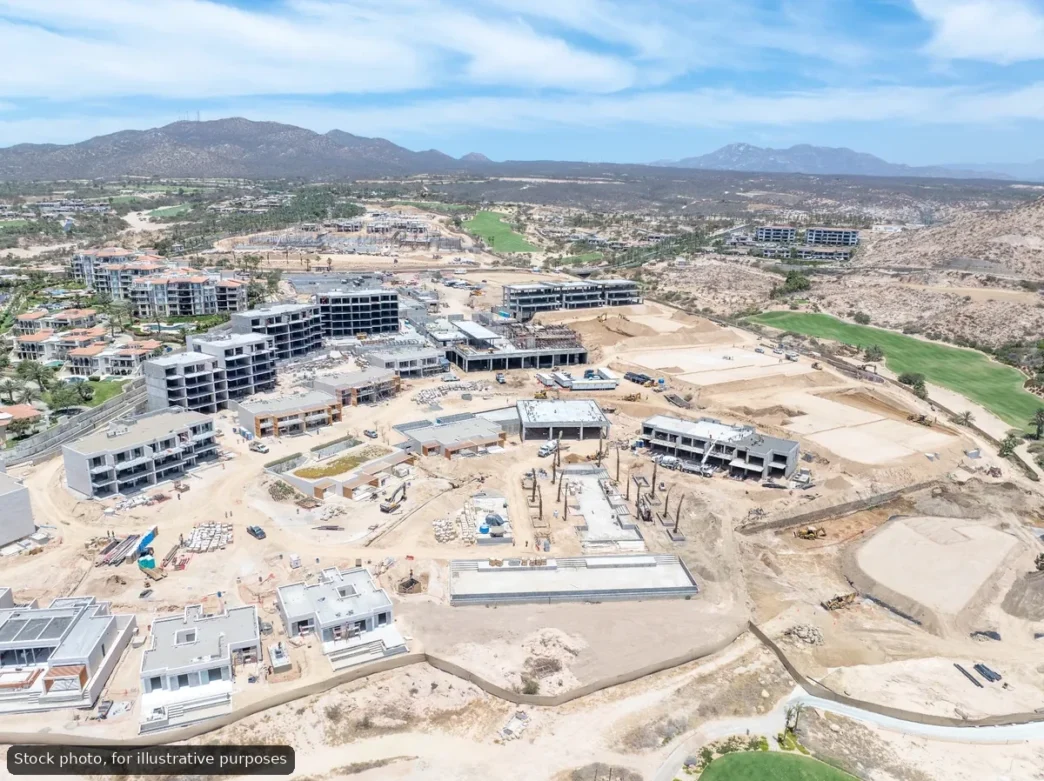
In practical terms, this means new hotels, resorts, residential developments and mixed-use projects are either in permitting, under construction or already breaking ground across the state. It also means jobs, though the type and quality of those jobs will depend on how well the state manages project approvals, environmental compliance and community impact.
What the Numbers Mean on the Ground
For most residents, the question is not whether Baja Sur looks attractive on paper. It is whether the roads, water systems, power grids and public services can keep pace with the pace of development.
Collins acknowledged that the state is not simply chasing investment totals. Speaking to the press, she said the administration is focused on ensuring projects meet legal and environmental standards and that economic benefits reach local communities. Whether that happens in practice will depend on enforcement, permitting transparency and inter-agency coordination across federal, state and municipal levels.
The state has reviewed dozens of new investment proposals in recent quarters, covering everything from boutique eco-lodges to large-scale resort complexes. Not all proposals clear the regulatory process, and not all that do move forward on schedule.
Real Estate and Long-Term Implications
Foreign direct investment in tourism rarely stays confined to hotels. It flows into residential real estate, land acquisition, infrastructure partnerships and ancillary services. For property buyers, developers and real estate professionals, the H1 numbers suggest continued upward pressure on land prices in Los Cabos, the East Cape, Todos Santos and even outlying areas previously considered too remote for major projects.
That upward pressure brings opportunity and risk. Buyers who understand zoning, water rights and infrastructure timelines can still find value. Those who assume every coastal lot will someday support a resort may find themselves waiting longer than expected for services, roads or electricity.
Collins emphasized that the state is coordinating with federal environmental and planning agencies to verify compliance, protect natural resources and avoid repeating mistakes made in other Mexican resort zones where growth outpaced infrastructure. The challenge, as always in Baja, is execution. A plan is only as good as the inspectors, the budgets and the political will behind it.
Who Benefits and Who Bears the Cost
Investment headlines sound positive, and in many cases they are. New projects create construction jobs, hospitality jobs, service-sector opportunities and tax revenue. They also create demand for housing, which can drive up rents for locals. They strain water supplies in a region where aquifer recharge is slow and desalination is expensive. They add traffic to roads that were not designed for resort-level volumes.
The state’s stated goal is to balance growth with community benefit and environmental protection. Whether that balance holds will become clearer over the next 12 to 24 months as major projects move from permitting into construction and operation.
For expats, seasonal residents and tourists, the immediate takeaway is straightforward: Baja California Sur remains a magnet for international capital, and the built environment is going to keep changing. The next question is whether the infrastructure, governance and public services change along with it.