


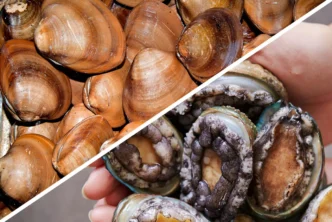
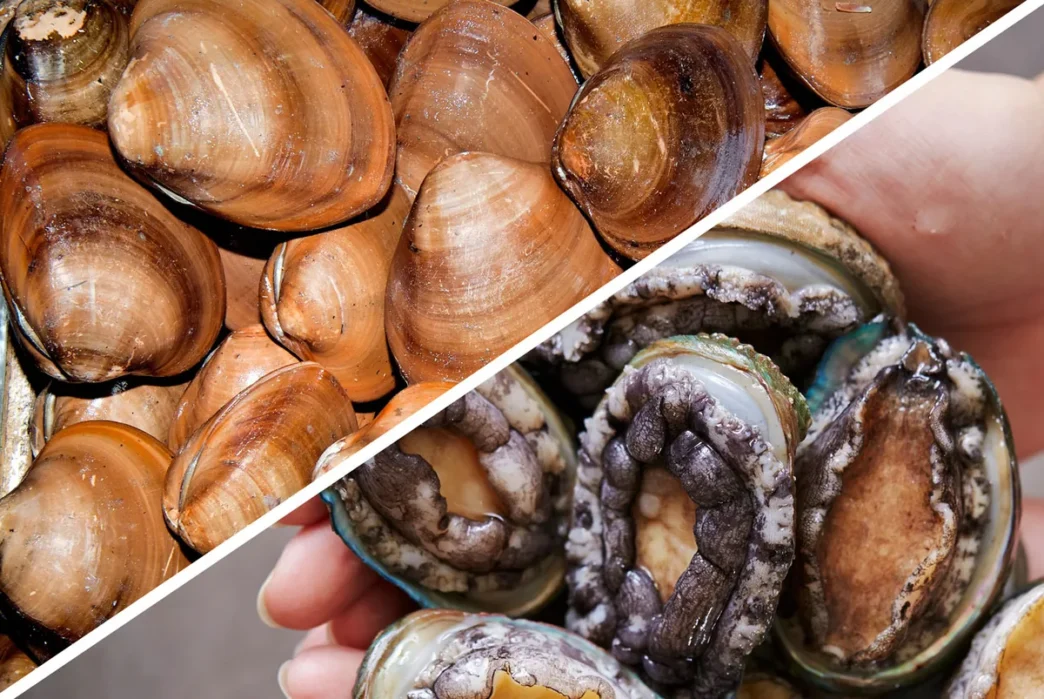
Two major fishing closures took effect across Baja California Sur on September 1, halting the harvest of abalone and chocolate clam until early next year.
The abalone ban runs through January 31, 2027, while the chocolate clam closure ends December 31, 2026, according to the National Commission of Aquaculture and Fisheries (Conapesca). Both closures are designed to protect spawning cycles and allow populations to recover before the next fishing season.
Which Species Are Protected
The abalone closure covers five species in Zones II and III — the coastal stretch between Punta Malarrimo and Punta Holcomb. Yellow abalone (Haliotis corrugata), blue (Haliotis fulgens), red (Haliotis rufescens), black (Haliotis cracherodii) and chino (Haliotis sorenseni) are all off-limits through late January.
The chocolate clam ban applies only to the Magdalena-Almejas lagoon system, where harvesting Megapitaria squalida will be prohibited until year-end.
Why the Closures Matter
Seasonal fishing bans are a core management tool in Mexico’s commercial fisheries. Conapesca relies on technical opinions from the Mexican Institute of Research in Sustainable Fisheries and Aquaculture (IMIPAS), which tracks reproductive cycles, minimum catch sizes and population health.
For Baja Sur fishing communities, these closures mean temporary job shifts and lost income, but they also protect the long-term viability of fisheries that generate millions of dollars in annual revenue. Abalone and chocolate clam are both high-value exports, and overfishing during spawning periods can lead to sharp population declines.
What Fishers and Buyers Should Know
Anyone caught harvesting protected species during the closure period faces fines and potential criminal charges under Mexican fisheries law. Restaurants, processors and exporters are also prohibited from buying, selling or transporting banned species while closures are in effect.
Recreational divers and beachgoers should be aware that possession of abalone or chocolate clam — even shells — can trigger enforcement action during veda periods. Fisheries inspectors routinely patrol coastal zones and lagoons, and penalties can include equipment confiscation.
The abalone season will reopen February 1, 2027. The chocolate clam fishery is expected to resume on January 1, 2027, assuming population assessments support the reopening.
