



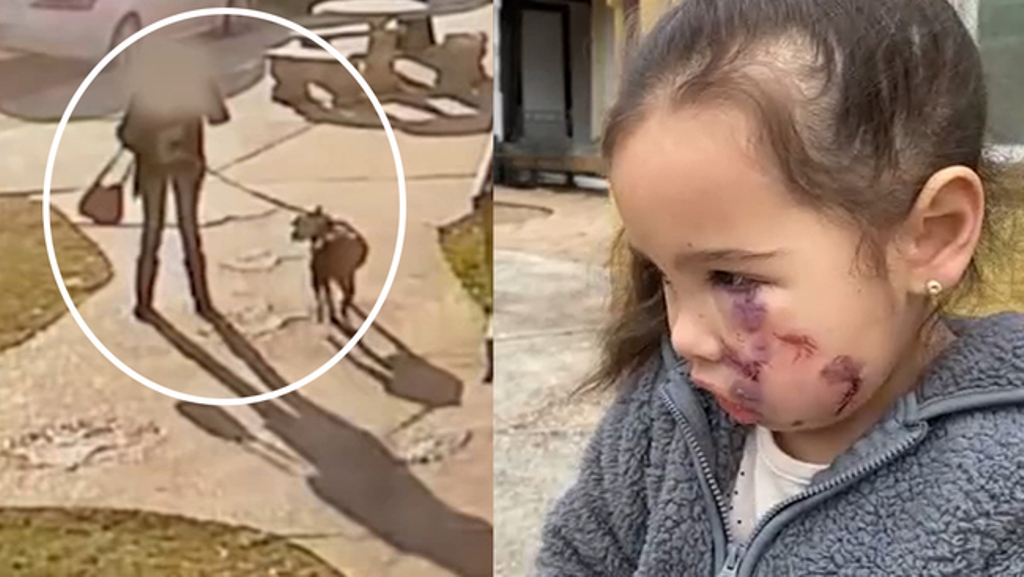
On December 9, 2025, the Baja California Sur Congress approved the so-called “Santos Law,” a reform to the state Penal Code that criminalizes injuries and homicides caused by animal attacks and holds pet owners or caretakers criminally responsible when their negligence results in harm to others.
The reform marks a major step forward in public safety and responsible pet ownership, addressing growing public concern over recurring incidents involving aggressive animals across the state.
Under the new legislation, anyone who, through omission, negligence, or lack of control, allows an animal under their care to injure or kill another person may face criminal penalties and must fully compensate the victim.
Liability will fall on the animal’s owner, the person in possession or custody of the animal, or anyone acting as its legal guardian. The proposal was presented jointly by the Standing Committees on Constitutional Matters, Justice, Ecology, and Environment, based on two complementary initiatives, one from Representative Venustiano Pérez, who proposed adding Article 141 Bis to the chapter on Injuries, and another from Representative Erick Agúndez, who proposed adding Articles 134 Bis and 139 Bis to the Penal Code. Lawmakers noted that civil liability alone has proven insufficient, as it often fails to ensure timely compensation for victims or meaningful sanctions for negligent owners.
Dog attacks have long been a recurring issue in Baja California Sur. Municipal and health authorities have reported incidents ranging from minor bites to fatal maulings in both urban and rural areas in the state. Many attacks stem from owners allowing animals to roam freely, lack of proper containment, abandonment, or failure to meet basic responsibilities such as training, vaccination, and supervision. Civil and administrative penalties have historically offered limited deterrence, prompting demands for stronger legal consequences.
Public pressure mounted after several high-profile cases left victims facing lengthy legal battles or inadequate compensation, exposing weaknesses in the legal framework and intensifying calls for criminal accountability.
With the Santos Law now part of the Penal Code, Baja California Sur sends a clear message: negligence in pet ownership carries criminal consequences. Authorities and animal welfare advocates have welcomed the law as a balanced measure that protects human life while promoting ethical treatment of animals.
.The legislation places BCS among the states advancing toward a comprehensive legal framework recognizing animal attacks as both a public safety and social responsibility issue.
Health experts note that dog bites have broader public health implications, including the prevention of rabies, tetanus, and other infections. While vaccination campaigns have reduced rabies in the state, dog attacks remain a community safety concern that extends beyond disease control.
In tourist areas, encounters between visitors and stray or uncontrolled animals have increased, posing safety and reputational risks for a state whose economy depends heavily on tourism. Specialists agree that reducing dog attacks requires a balanced approach, protecting people without encouraging cruelty toward animals. Addressing abandonment and neglect, they argue, is essential to building safer communities and improving coexistence between residents, visitors, and animals across Baja California Sur.