


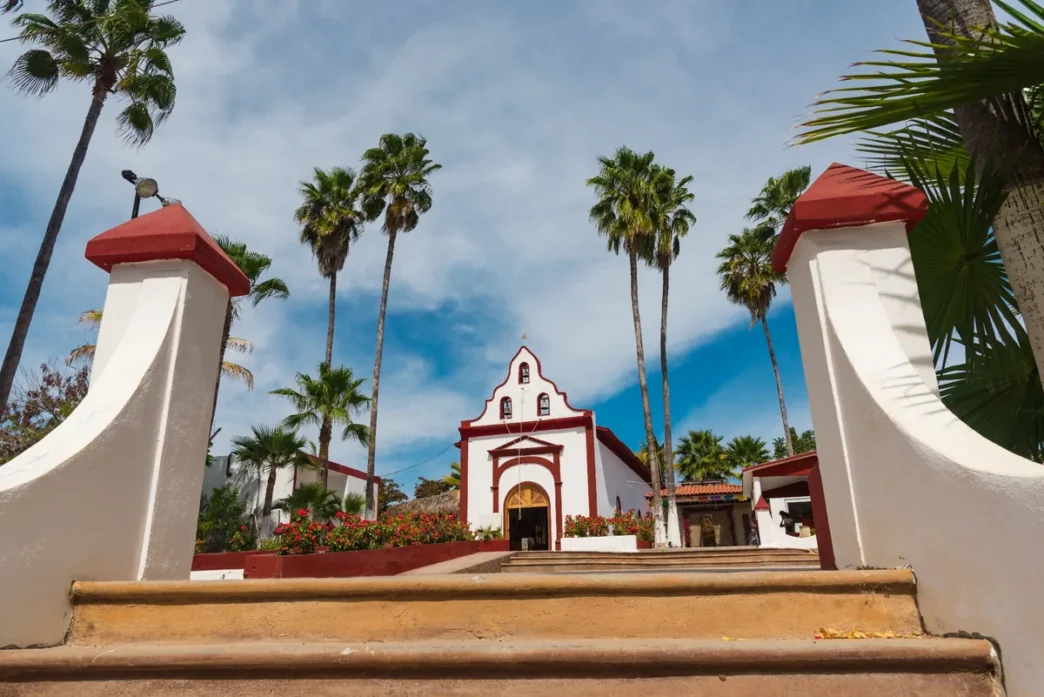
Miraflores, the historic community in Los Cabos municipality, officially received its federal designation as a Pueblo Histórico de México this weekend. Governor Víctor Manuel Castro Cosío delivered the recognition during the 34th annual Pitaya Festival, marking the community’s entrance into a national tourism program that could shift how visitors experience Los Cabos beyond its beaches and resorts.
The designation makes Miraflores the ninth community in Baja California Sur to earn federal historic status. Unlike the better-known Pueblo Mágico program that includes Todos Santos, the Pueblo Histórico label recognizes communities specifically for their documented historical significance and architectural preservation rather than broader cultural appeal.
For expats and tourists, the practical difference lies in what comes next. Pueblo Histórico status brings federal attention, potential infrastructure funding and inclusion in national tourism promotion campaigns managed by the Secretaría de Turismo. The designation also requires the community to maintain specific preservation standards for historic buildings and public spaces.
What the Label Actually Does
According to local reports, Governor Castro emphasized that the distinction is meant to “detonate the tourist potential of communities” and link them to the broader economic value chain that tourism creates. In practical terms, that means Miraflores can now apply for federal grants specifically earmarked for historic preservation, signage, cultural programming and visitor services.
The designation was delivered during Miraflores’ largest annual event, the Pitaya Festival, which drew producers, artisans and visitors celebrating the region’s signature cactus fruit. The weekend included the crowning of the community queen, traditional dances, a donkey race, artisan markets and the inevitable pitaya-eating contest.
For anyone who has driven the corridor between San José del Cabo and La Paz, Miraflores is the small agricultural town about halfway up Highway 1. It has long been known for pitaya cultivation, old mission-era architecture and a slower pace than the coastal resorts. The federal designation formalizes what locals have maintained for years: the town has historical value worth protecting and promoting.
Tourism Shift Beyond the Beach
Los Cabos has spent the last decade working to diversify its tourism offerings beyond all-inclusive resorts and sportfishing. The municipality has been pushing cultural tourism, culinary experiences and inland destinations as part of a broader economic development strategy. Miraflores joining the Pueblo Histórico roster fits squarely into that plan.
The question, as always in Baja, is whether the designation translates into actual infrastructure and services. A historic label does not automatically create parking, bathrooms, English signage or the kind of visitor experience that keeps tourists returning. It does, however, make funding applications more competitive and puts the community on the radar of tour operators and travel writers who focus on cultural routes.
Governor Castro also delivered a municipal vehicle to strengthen local services and unveiled new community signage during the ceremony. Miraflores now joins other Baja California Sur communities like Loreto, Mulegé and San Ignacio in holding federal historic recognition.
What Expats and Visitors Should Watch
For English-speaking residents and frequent visitors, Miraflores could become a more visible day-trip option in the coming year. The town already has small museums, preserved colonial architecture and family-run restaurants serving traditional Baja cuisine. The Pueblo Histórico designation may accelerate improvements to trails, interpretive signage and organized cultural tours.
It may also mean more oversight on development. Pueblo Histórico communities face stricter rules on building modifications, commercial signage and land use within designated historic zones. That protects the character of the town but can also slow down projects and frustrate property owners navigating federal and municipal permit processes.
The federal designation does not guarantee immediate change, but it does create a framework. Whether that framework results in better visitor infrastructure, preserved architecture or simply another plaque on the highway remains to be seen. For now, Miraflores has the label, the festival and the pitayas. The rest depends on how well the community, the municipality and federal agencies follow through.