



Los Cabos has never lacked for ambition, but the latest version comes with a deadline attached. A new long-range tourism strategy, unveiled during the 20th anniversary edition of the VIP Summit, sets a goal of making the destination the top luxury travel spot in the Americas by 2036. The pitch rests on a decade of numbers that, if nothing else, explain why local officials are feeling confident.
According to figures presented by the Los Cabos Tourism Trust — known locally as FITURCA, the municipal agency responsible for marketing the destination abroad — annual visitor arrivals grew 77.4% between 2016 and 2025, rising from 2.12 million to 3.76 million, a figure covered in detail in last year’s record tourism wrap-up. Air connectivity grew with it: flight operations climbed 61.5%, and the number of cities with direct service to Los Cabos International Airport jumped from 39 to 55, according to a report by Colectivo Pericú.
The hotel inventory expanded 45% over the same period, pushing past 20,000 rooms, with another 1,200-plus in the pipeline by 2029 — part of a wave covered in our look at upcoming luxury hotel openings. The average nightly rate rose from $286 to $450 USD, and the annual economic impact from tourism more than quadrupled to roughly 80 billion pesos, or about $4.4 billion USD. Those are the kind of numbers that make a 10-year plan sound less like wishful thinking and more like extrapolation.
Quality Over Quantity, Officials Say
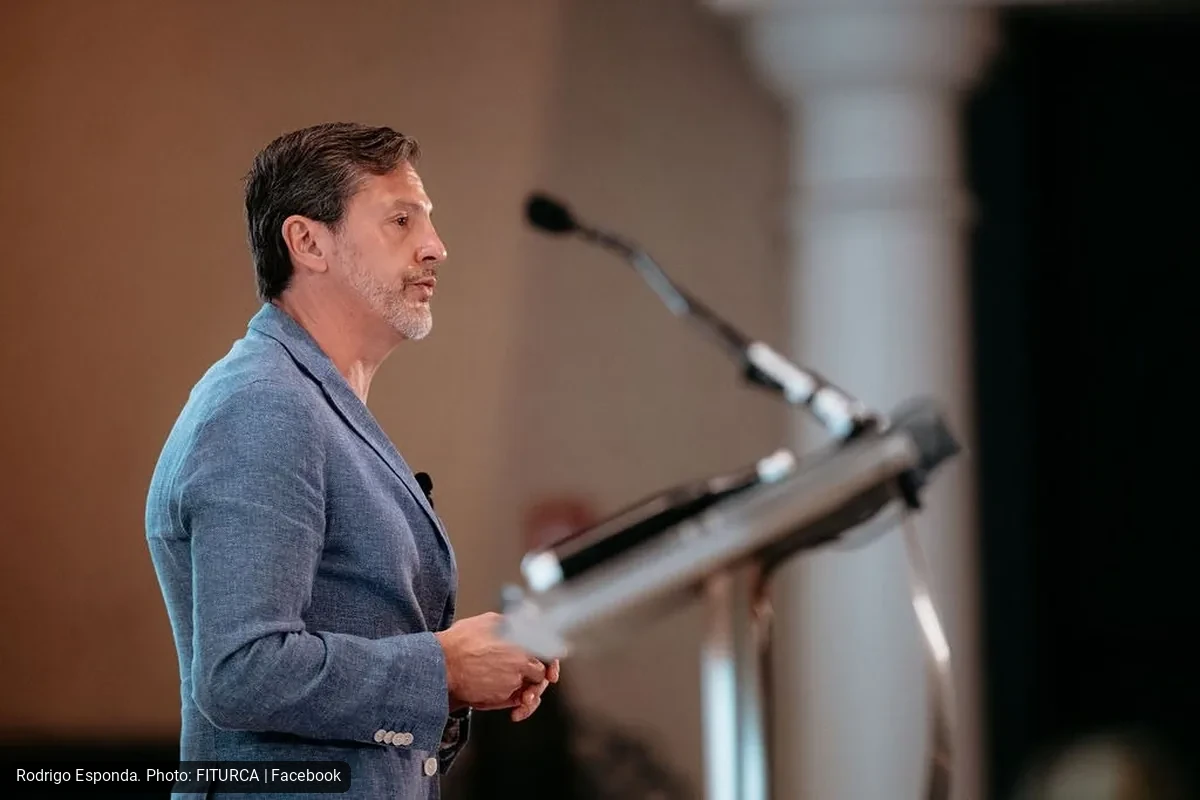
Rodrigo Esponda, FITURCA’s director general, framed the strategy as a deliberate shift away from chasing raw visitor counts toward chasing visitor value — fewer bodies on the beach, in theory, but each one spending more. Los Cabos currently counts 16 properties affiliated with Virtuoso, the international luxury travel network that curates high-end hotels and tour operators, and the plan leans on that affiliation to keep climbing the luxury ladder, a trajectory we’ve tracked in previous coverage of the destination’s luxury positioning.
The VIP Summit itself, held this year across venues including the Hilton Los Cabos and the official host hotel Hacienda del Mar, Autograph Collection, gathered representatives from Apple Leisure Group, Classic Vacations, ID Travel Group, Despegar, Alltours and Catai for two panels: one looking back on two decades of Los Cabos tourism and travel partnerships, the other looking forward at expansion into new markets. Author and speaker Alex Banayan addressed the group on innovation, and the summit’s opening session also marked ten years of Esponda leading FITURCA — a tenure that has coincided with the destination being named a top-four destination marketing organization globally.
What Gets Built, and Who Benefits
The strategy, branded Visión 2036, promises more than hotel beds. It lists job creation for residents of Baja California Sur, integration of local businesses and producers into the tourism supply chain, and investment in infrastructure, housing, mobility and basic services as priorities alongside the usual promotional push. It also names beach protection, marine ecosystems and biodiversity as factors to weigh against continued growth — language that acknowledges, at least on paper, that a place cannot keep adding visitors and hotel towers indefinitely without consequences.
That acknowledgment lands differently depending on who is reading it. Baja Sur has already seen water supply tensions serious enough that the state governor floated pausing new development over water scarcity, so a plan built around sustained growth through 2036 will inevitably be measured against whether the pipes, roads and power grid can keep pace with the marketing. The United States, Canada and Mexico remain the priority markets for promotion, while Germany, Colombia, Japan, Australia and the United Kingdom are listed as growth opportunities, part of an effort that has already included more than 300 commercial promotions in 21 countries.
None of this changes anything on the ground this week. But a decade-long target gives residents and visitors alike a yardstick to check official promises against, year by year, rather than waiting until 2036 to find out whether “more equilibrated and responsible growth” meant what it said. The next milestones worth watching are the 1,200 rooms due by 2029 and whether the infrastructure investments the plan mentions — water, roads, housing — actually show up on a construction schedule rather than just a slideshow.