


Your driver’s license is about to get a lot harder to forget at home.
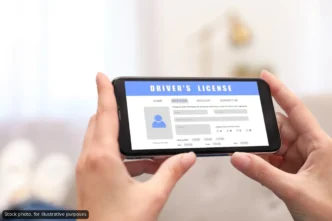
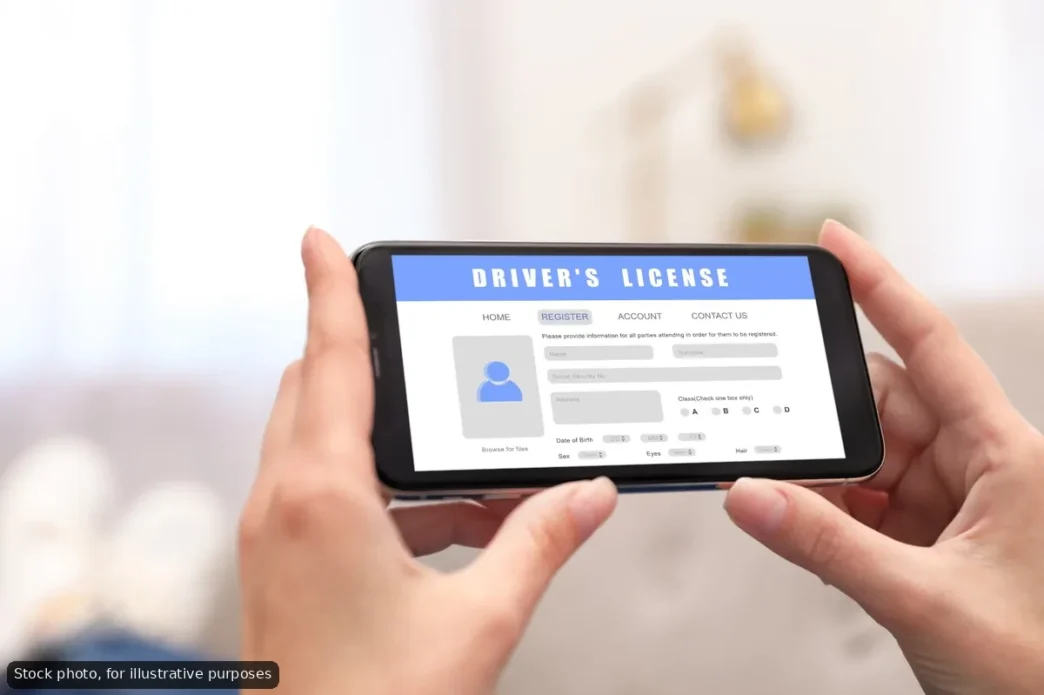
The Secretaría de Finanzas y Administración de Baja California Sur announced that virtual driver’s licenses will be available in the coming months, allowing residents to store their licenses on smartphones or print them on demand. The move is part of a broader push to digitize vehicle services and eliminate the need for gestores—middlemen who charge fees to help people navigate government offices.
What’s Changing and When
Secretary Bertha Montaño Cota told reporters that both the virtual driver’s license and digital vehicle review will go live before the current state administration ends. The timeline puts both services on track for launch within the next few months.
ATM-issued license plates are on the roadmap as well, though that feature will arrive later. For now, the focus is on making licenses portable and vehicle inspections accessible without requiring an in-person visit to a recaudación office.
Why It Matters for Residents
For English-speaking residents and expats, the shift could mean fewer trips to government offices and less reliance on gestores who often hang around Finanzas buildings offering to expedite paperwork—for a price. The state’s goal is to make services more transparent and reduce the temptation to pay someone to stand in line on your behalf.
Montaño Cota said average service times at recaudación offices are already down to about 15 minutes, except during peak periods at the end of payment deadlines. Digitizing the license and vehicle review should cut wait times further and make compliance easier for residents who may not live near a government office.
Part of a Broader Digital Push
The virtual license announcement comes as Baja California Sur continues to lead the country in cell phone adoption, and as internet access expands across the state. The infrastructure is increasingly in place to support digital-first government services, and Finanzas is betting that residents are ready to use them.
The shift to digital is also a response to concerns raised by business owners about the complexity of tax compliance and the persistence of unofficial intermediaries. By moving services online or onto phones, the state hopes to make the process straightforward enough that paying someone to help becomes unnecessary.
What to Expect Next
Details on how the virtual license system will work—whether it will require a specific app, integrate with existing state platforms, or simply function as a PDF—have not yet been released. The state has not announced a formal launch date, but Montaño Cota’s comments suggest residents should expect more information before the end of the year.
For now, physical licenses remain valid, and there is no indication that existing cards will be phased out immediately. The virtual option is likely to be just that: an option, at least initially.
Still, for anyone who has ever been pulled over and realized their license is sitting on the counter at home, the change is likely to be welcome.