


The historic town of Santiago is rolling out one of the peninsula’s most vibrant cultural celebrations this week, with the Fiestas Tradicionales Santiago 2026 running July 20–26. Organized by the Los Cabos municipality through the Institute of Culture and Arts, the festival offers a full calendar of sports, cultural performances, gastronomy, and traditional events that bring the community together in ways that few tourist destinations can match.
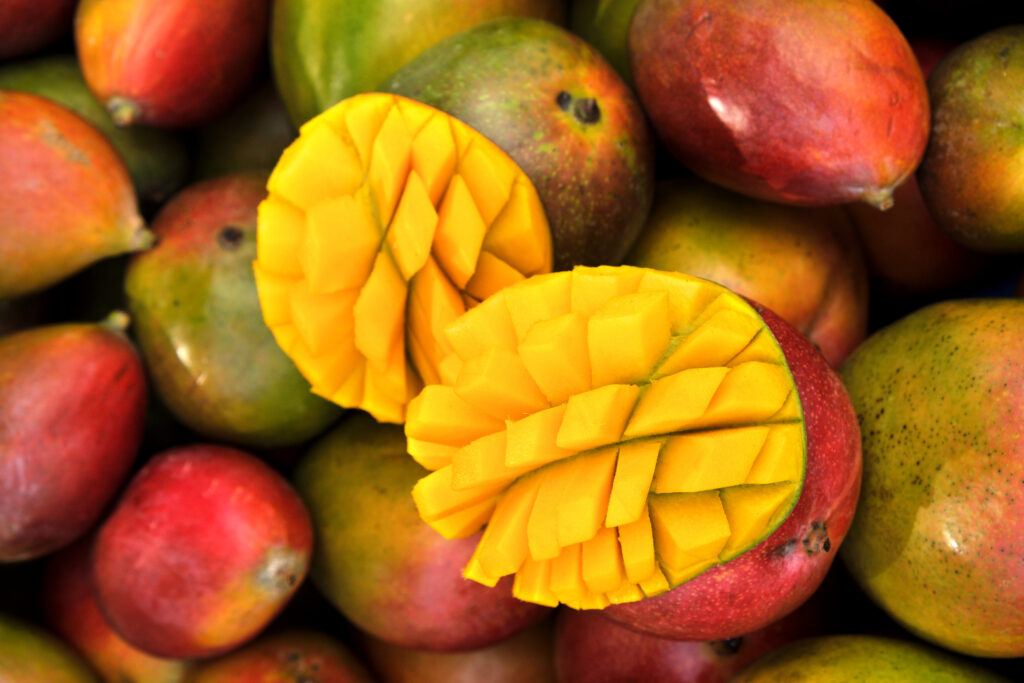
For visitors and residents looking to experience Baja culture beyond the resorts, this is one of the best opportunities of the year. Santiago’s annual celebration centers around the town’s agricultural heritage, particularly its famous mangoes, and blends that with live music, folk dancing, competitive sports, and street festivities that draw families from across the region.
Sports and Early-Week Activities
The festivities began Monday, July 20, with a free basketball tournament at 6:30 p.m., followed by a volleyball tournament Tuesday evening. Wednesday, July 22, features a youth arroyero soccer tournament at 5:00 p.m., a nod to the traditional style of play that emerged from Santiago’s streambeds and open spaces.
These early events set the tone for a festival that balances competition, tradition, and community pride. Unlike the more polished events in Los Cabos proper, Santiago’s fiestas feel rooted in local identity rather than tourism marketing.
Thursday’s Big Day: Mango Competitions and Coronations
Thursday, July 23, is the heart of the celebration. Activities begin at 8:00 a.m. with foot races, followed by the official ribbon-cutting and coronation of Danna I as the 2026 Mango Queen at 10:00 a.m. The event also includes the unveiling of a new mural titled “Crónicas de un pueblo con historia” (Chronicles of a Town with History) and recognition for local mango producers.
The mango theme continues throughout the day with competitions in fruit carving (10:45 a.m.), regional candy and stand displays (11:00 a.m.), demonstrations on making mango jam and regional sweets (noon), and a mango-eating contest at 1:00 p.m. There are also chalk drawing and photography contests, with awards handed out at 2:00 p.m.
In the evening, the cultural program shifts to the Plaza Pública “Gral. Francisco J. Múgica,” where Santiago’s Children’s Folkloric Ballet performs at 7:00 p.m. under the direction of Maestra Rosaura Martínez “Mango.” The night also features the “La Voz de Santiago 2026” singing contest, a playback competition called “Luces de Santiago: El Show de los Dobles,” and performances by the Ballet Folclórico “Ángeles de California,” Banda Urbana “Rancholos,” the group “Flore-Ser,” and Percusión Limanya.
The coronation of Nicole I as queen takes place at 9:00 p.m., followed by a popular dance starting at 10:00 p.m.
Weekend Festivities and Closing Events
Friday, July 24, brings “Baila la Plaza,” a dance event with DJ Azteca beginning at 6:00 p.m., followed by another public dance at 10:00 p.m. Saturday, July 25, features the traditional horseback parade at 8:30 a.m., one of the most visually striking events of the week, followed by another evening dance.
The festival closes Sunday, July 26, with a friendly soccer match between Rojos de Santiago and Amigos de Los Cabos, a fitting end to a week that celebrates both tradition and community connection.
Why Santiago’s Fiestas Matter
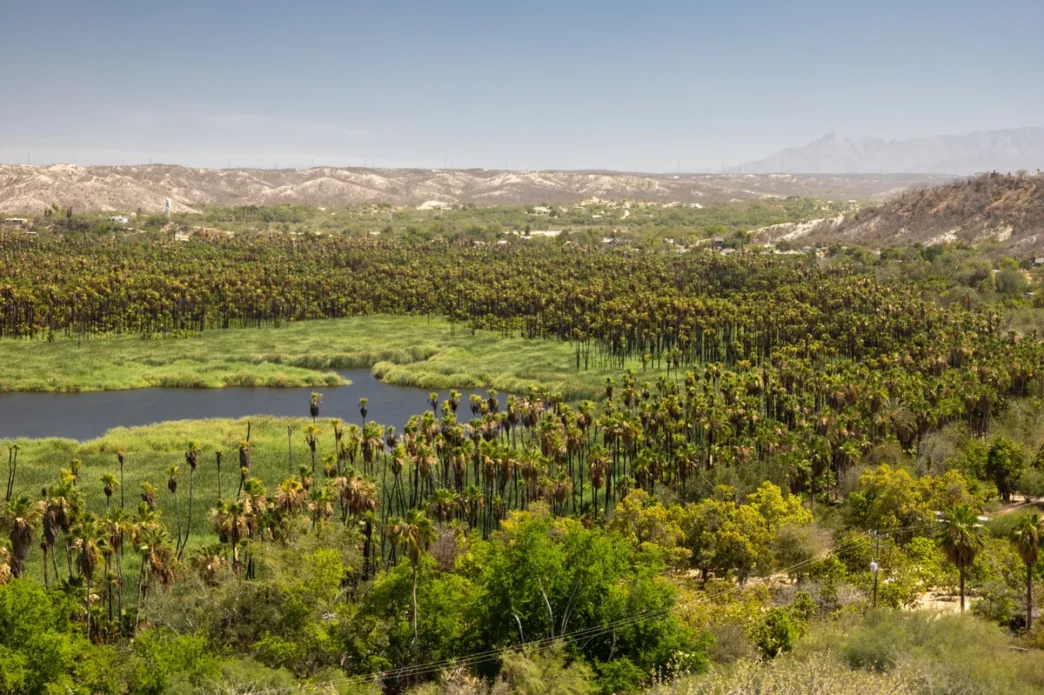
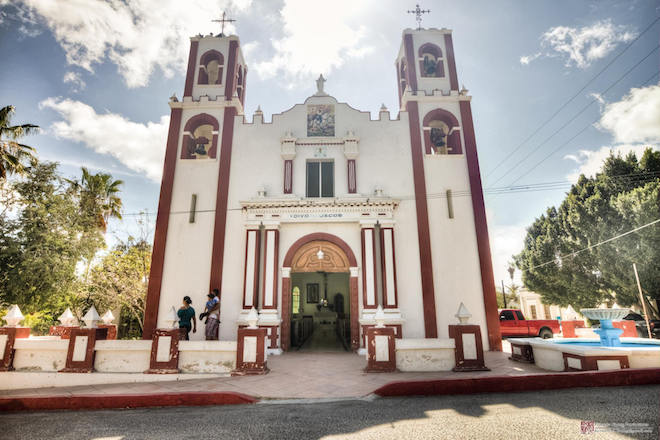
Santiago sits about 45 minutes north of San José del Cabo along Highway 1, tucked into the foothills of the Sierra de la Laguna. The town is known for its historic mission church, natural hot springs, and agricultural roots, and the annual fiestas reflect that identity. Unlike the craft beer festivals or EDM events that dominate coastal Baja, Santiago’s celebration feels like a window into the peninsula’s older rhythms.
For expats and tourists, the event offers a rare chance to see traditional folk performances, taste regional food, and participate in community activities without the gloss of commercial tourism. It is also one of the few major cultural events in southern Baja that remains deeply rooted in local tradition rather than visitor spending.
The festival is free and open to the public. Most events take place in the town’s central plaza and surrounding streets. Visitors should expect crowds, especially Thursday through Saturday, and plan for limited parking near the plaza. Santiago’s summer heat can be intense, so bring water and sunscreen for daytime events.