


A civil society organization has unveiled a proposal to tax luxury transportation in Baja California Sur, arguing that wealthy residents and visitors who generate the most carbon emissions should contribute more toward climate action.
Oxfam México presented the initiative during the Youth Climate Summit held in San José del Cabo last month. The proposal, called “Let Luxury Pay Its Ticket,” would create and strengthen taxes on high-end SUVs, private yachts, and jets used primarily by the wealthiest residents and tourists visiting the state.
The Case for Targeting High-Carbon Lifestyles
Arabel Alí, Oxfam’s Climate Policy Coordinator, explained that the current tax structure does not reflect the environmental damage caused by luxury transportation. A private jet can emit up to 7,000 tons of carbon dioxide annually, she noted — roughly equivalent to the emissions from 1,500 family cars.
“Our fiscal proposals show that taxing the ownership, use of public infrastructure, and emissions of the carbon aristocracy could generate between 30 and 234 billion pesos per year,” Alí said during the summit, according to El Independiente. “What we’re saying is that those who have the most should pay more, and that private use of public infrastructure should carry fair rates.”
What the Proposal Would Tax
The initiative includes several specific measures aimed at high-value transportation. Oxfam proposes property taxes on luxury vehicles, updated levies on fuels used by private aircraft, increased fees for yacht docking and recreational boating permits, and new taxes tied directly to carbon emissions.
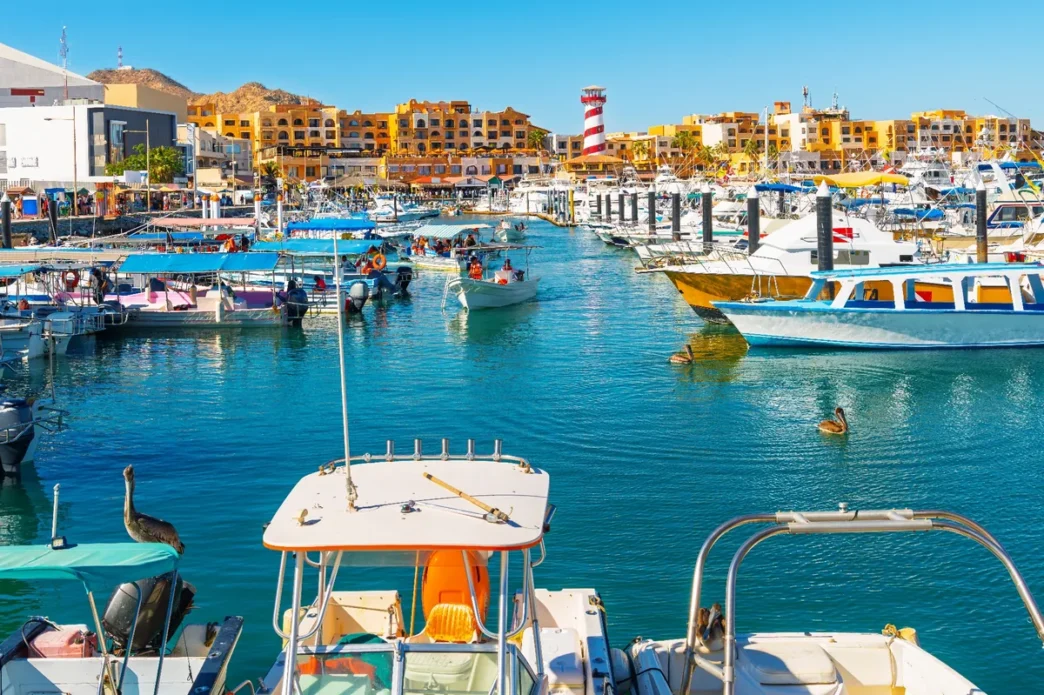
According to the analysis presented, Baja California Sur currently has 16 registered yachts, along with hundreds of high-end vehicles and private aircraft that could fall under the proposed tax structure.
Why Baja Sur Was Chosen
Baja California Sur has long been a destination for wealthy tourists and part-time residents drawn to Los Cabos, La Paz, and Todos Santos. The state’s marinas, private airstrips, and luxury resorts make it a natural testing ground for policies that aim to align environmental costs with the behavior of high-income users.
The proposal comes at a time when climate adaptation and mitigation efforts in Mexico remain underfunded, even as coastal states like Baja Sur face increasing pressure from rising temperatures, water scarcity, and environmental degradation linked to tourism and development.
What Happens Next
For now, the initiative remains a civil society proposal rather than legislation. Oxfam México is using the Youth Climate Summit and other forums to build public support and encourage federal and state lawmakers to consider similar measures.
Whether the proposal gains political traction will depend on how willing officials are to challenge wealthy interests and implement policies that redistribute environmental costs more equitably. The organization believes that luxury transportation users should bear a greater share of the financial burden for climate solutions, especially when their carbon footprints far exceed those of ordinary residents.
For English-speaking expats, snowbirds, and yacht owners in Baja Sur, the proposal is a signal that tax structures around high-end lifestyles may eventually shift — even if implementation remains uncertain.