

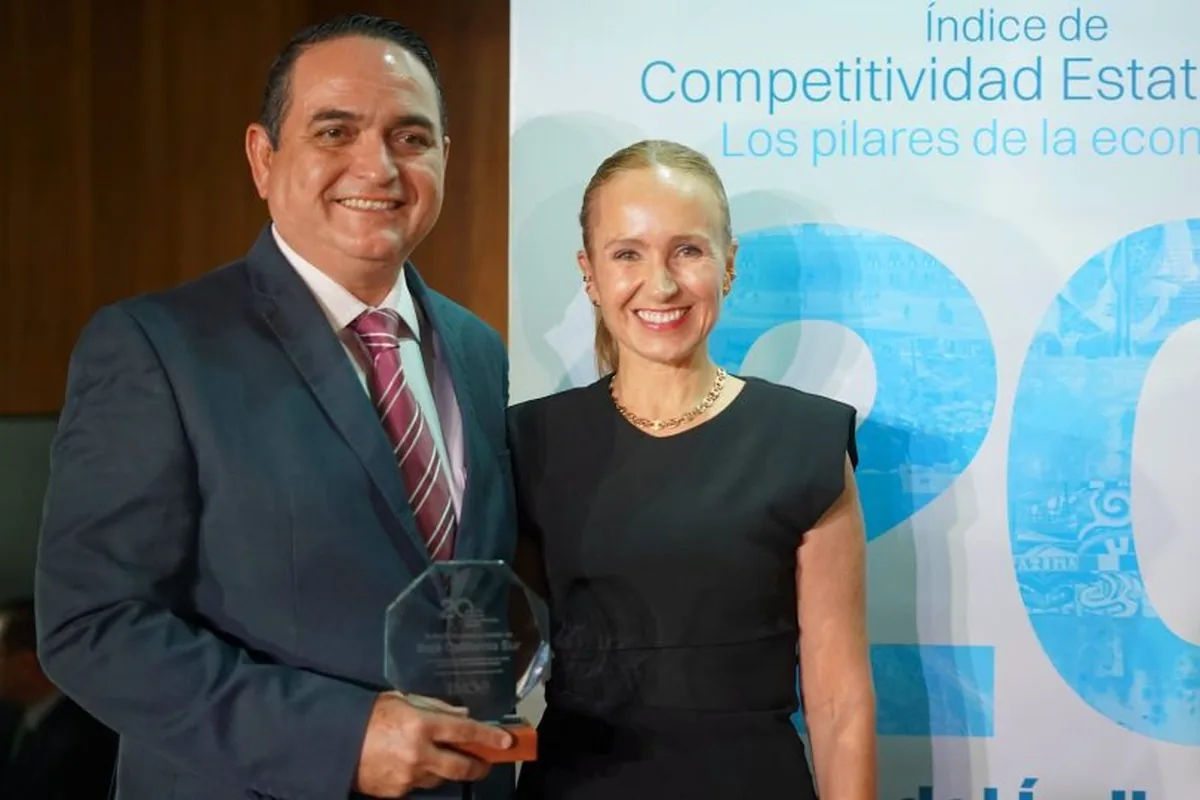
Every year, somebody publishes a ranking of Mexican states by how easy or hard it is to do business in them, and every year, Baja California Sur’s neighbors up north tend to get the headlines. This year, BCS got its own moment. The state placed fifth nationally in the 2026 State Competitiveness Index (ICE), produced by the Mexican Institute for Competitiveness (IMCO), and was singled out as one of the ten best-performing states over the index’s full 20-year run.
That distinction matters more than it sounds like it should. The ICE is not a tourism brochure ranking sunsets and margaritas — it measures things like ease of doing business, rule of law, labor conditions, infrastructure and government efficiency, the unglamorous plumbing that determines whether a real estate project actually gets built or a small business actually gets financed. For anyone weighing whether to open a restaurant in San José del Cabo or buy a rental property in La Paz, that plumbing is the whole ballgame.
Alonso Gutiérrez Martínez, the deputy secretary of economy at the State Secretariat of Tourism and Economy (SETUE), presented the results and pointed to a familiar list of BCS strengths: its ability to attract investment, a booming tourism sector, competitive wages and formal labor conditions. That last point isn’t just talk. BCS took first place nationally in the ICE’s labor market subindex for the second year running, a streak that lines up with the state’s showing in Mexico’s 2026 labor rankings.
The Money Behind the Ranking
Rankings are one thing. Money moving is another, and BCS has that too. The state pulled in $511.9 million USD in foreign direct investment for the tourism sector during the first half of 2026 — 41.4 percent of the entire national total in that category, according to SETUE. That’s not a rounding error; that’s four out of every ten tourism-investment dollars in Mexico landing in one state with a fraction of the country’s population.
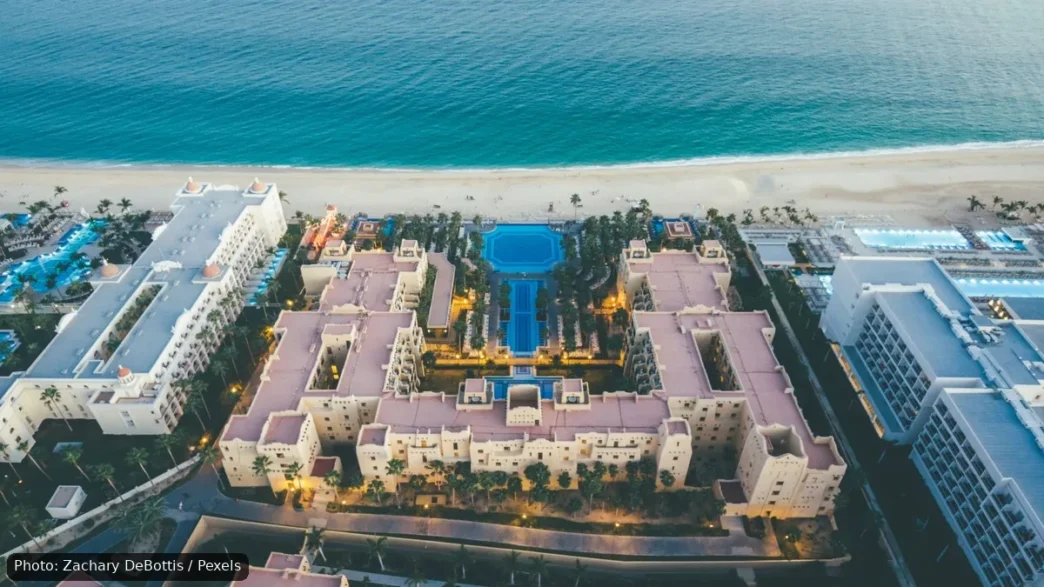
None of this is happening in isolation. BCS has spent much of the year capturing an outsized share of Mexico’s tourism investment and reviewing dozens of new projects across the state, part of a broader pattern of the region leading the country in foreign investment in recent cycles. For readers who have watched construction cranes multiply along the corridor between Cabo San Lucas and San José del Cabo, or noticed a new development going up in Todos Santos or La Paz, this index isn’t news exactly — it’s confirmation.
Gutiérrez Martínez said SETUE plans to keep working on legal certainty for investors, business training programs, access to financing and support for small and medium-sized enterprises, along with efforts to diversify an economy that still leans heavily on tourism. Whether that follow-through happens at the pace officials describe is, as always, the part worth watching. In Baja, a ranking is never just a ranking. It is a talking point, a marketing tool and, eventually, a test of whether the permits, financing and infrastructure catch up to the pitch.
For now, the numbers give BCS a reasonable claim to being one of the more stable bets in Mexico for anyone with capital to deploy — whether that’s a boutique hotel, a beachfront condo project, or a modest local business betting on steady wages and steady tourists. The next test comes when the 2027 index lands, and officials find out whether fifth place was a plateau or a floor.