



With the World Cup just days away, Uber has announced a temporary safety measure aimed at protecting travelers in some of Mexico’s busiest tourism and event destinations.
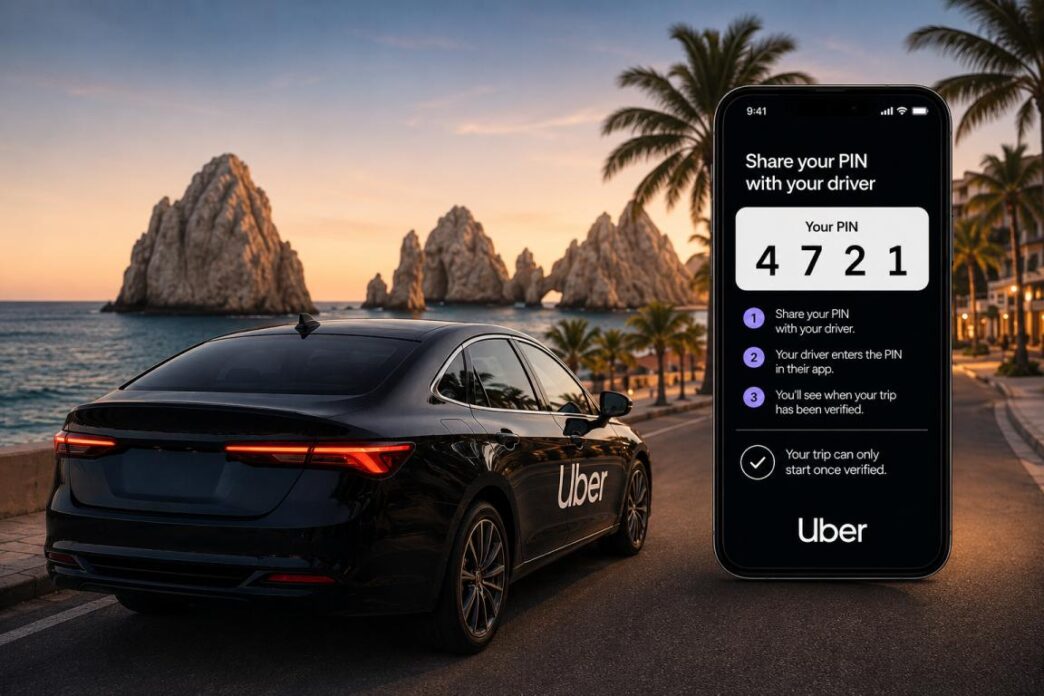
The company will activate its PIN Code verification feature for all rides in Mexico City, Monterrey, Guadalajara, Puerto Vallarta, Cancún, and Los Cabos. The feature, first introduced in the Uber app in 2020, requires riders to verify their trip with a personal four-digit PIN before a ride can begin.
In Los Cabos, all Uber trips will require PIN verification during the event period. The measure is expected to remain in place for approximately two months, coinciding with increased tourism and sporting activity.
How PIN Verification Protects Riders
The PIN Code feature helps confirm that riders are entering the correct vehicle, adding an extra layer of security during large-scale events when crowds and increased demand can create confusion.
“Whether leaving an airport, heading to a match, or returning from a celebration, crowded events can pose logistical challenges and may even be taken advantage of by people with no connection to the Uber platform who seek to deceive those waiting,” said Stephanie Tackert, Regional Safety Operations Manager for Uber.
“By activating the PIN Code for all trips in Los Cabos during this season, we are protecting every ride with mandatory verification that confirms the rider is boarding the correct vehicle. This way, users have the backing of Uber’s safety standards, including GPS tracking, 24/7 support, and insurance coverage,” she said.
Implementation and Feature Details
The mandatory PIN verification began on Monday, June 1, and remains in effect for about two months. The initiative complements Uber’s recently updated Personal PIN feature, which allows users throughout Mexico to create and customize a memorable PIN for all their trips.
By using the same PIN for every ride, Uber hopes to encourage a routine safety habit like remembering an ATM PIN or phone passcode.
To use the feature, riders share their PIN with the driver before the trip begins. The PIN can be found on the trip information screen within the app. Drivers must enter the code in their version of the app before the ride can start.
Once the PIN is verified, riders receive confirmation on their phones that the trip has been authenticated.
Comprehensive Safety Strategy for Los Cabos
In addition to mandatory PIN verification, Uber said it will implement a broader safety strategy in Los Cabos during the high-demand period. The initiative will focus on three areas:
1. Enhanced Technology: Mandatory PIN verification for all trips and access to encrypted trip-recording features with audio reminders.
2. Expanded Support Capacity: Increased operational support, multilingual assistance, and strengthened coordination with public safety institutions.
3. In-App Education Campaigns: Safety awareness initiatives promoting customized safety features, along with guides designed for international visitors and efforts to encourage respectful interactions during rides.
“Uber’s mission is to create opportunity through movement,” Tackert said. “We started in 2010 to solve a simple problem: how do you get a ride with the tap of a button? More than 15 billion trips later, we continue developing products that bring people closer to their destinations.”
Uber launched in Mexico in 2013 and now operates in more than 100 cities across all 32 states. Its services include Uber Planet, Uber Pet, Uber Assist, UberX, Uber for Business, and Uber Eats.