


The Ministry of Environment and Natural Resources (Semarnat) has dismissed the environmental impact assessment request for the proposed “Santuario del Tío Checo” (Uncle Checo Sanctuary) project, citing inconsistencies and insufficient technical information.
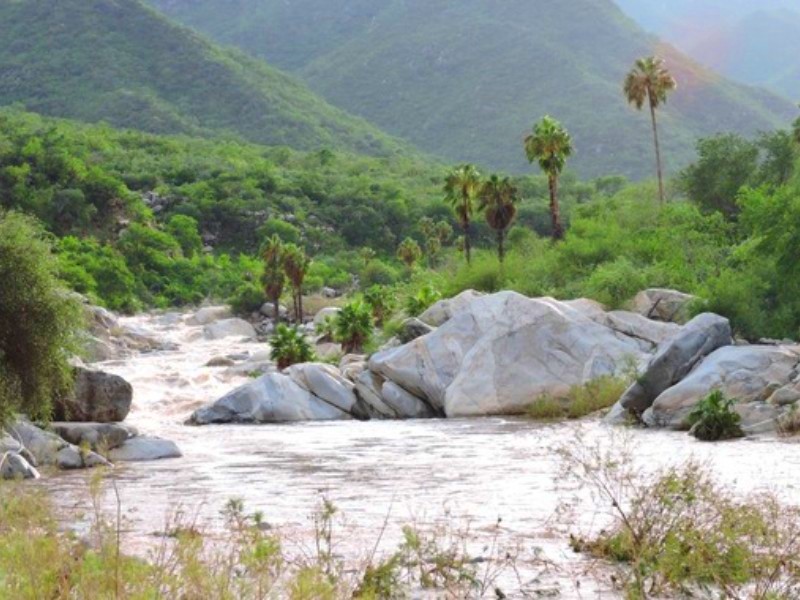
The project, promoted by the organization Hermandad en Armonía, was planned for development in the La Palma area of San José del Cabo.
According to resolution 03/MP-0021/01/26, the proposal was submitted on Jan. 22, 2026, to the agency’s state representation office through an Environmental Impact Statement in its modality(MIA-P). The filing sought authorization to change the use of forest land and to prepare, build and operate a development within a coastal ecosystem.
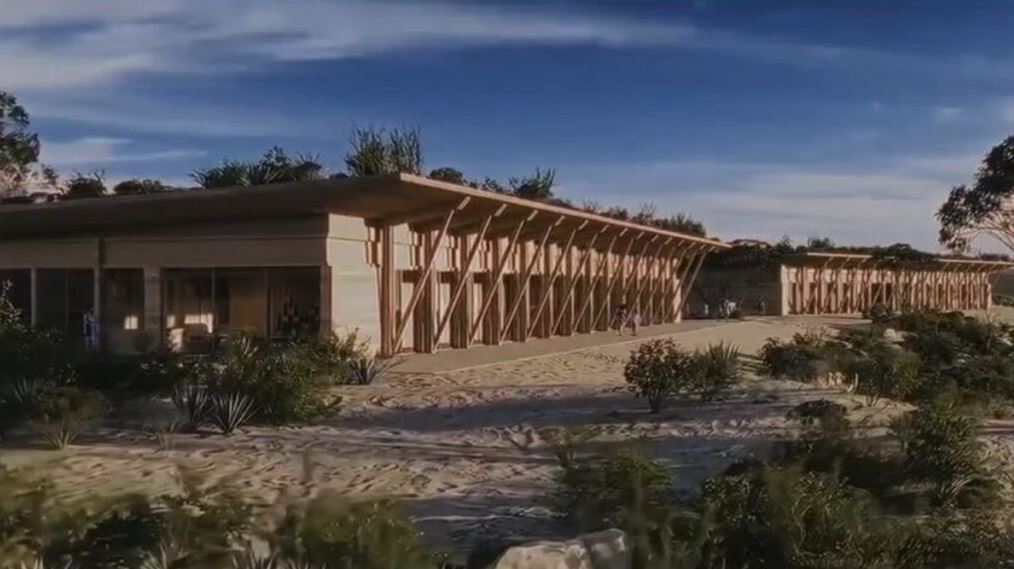
The plan called for the construction of a wildlife conservation and breeding center on the rural property “San Miguelito,” located in La Palma. Proposed infrastructure included two entrances, a lobby, an orientation area, exhibition halls, research laboratories, a veterinary clinic, administrative offices, storage areas, parking, a photovoltaic farm, a helipad, a barn, a vivarium and a wastewater treatment plant.
After reviewing the environmental impact statement and additional materials provided by the applicant, Semarnat determined that the documentation lacked sufficient detail to allow for a comprehensive evaluation of potential environmental impacts.
Among the agency’s primary concerns was the limited technical information presented. The documents did not clearly specify the characteristics of the laboratories, or the type of research activities planned for the site.
Authorities also identified missing information regarding the operation of the proposed helipad, intended for the transport of animals, including details about operational procedures and the possible use of reagents or other substances within the research facilities.
In addition, Semarnat said the filing failed to demonstrate adequate alignment with current environmental regulations. The proposal did not properly correlate with provisions of the General Wildlife Law and the General Law of Sustainable Forest Development.
Officials also noted inconsistencies in the identification of activities that could generate environmental impacts. Several planned components, including the helipad and laboratory facilities, were not listed among the activities that might affect environmental factors during the project’s development stages.
As a result, the agency declined to grant legal standing to the environmental impact assessment request, effectively rejecting the project.
Semarnat stated that the applicant has 15 business days to file an appeal through a review process, as established under the General Law of Ecological Balance and Environmental Protection, or to challenge the decision before the Federal Court of Administrative Justice.