


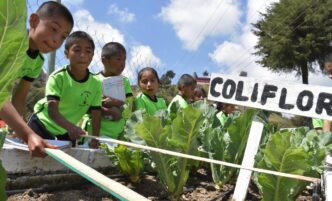
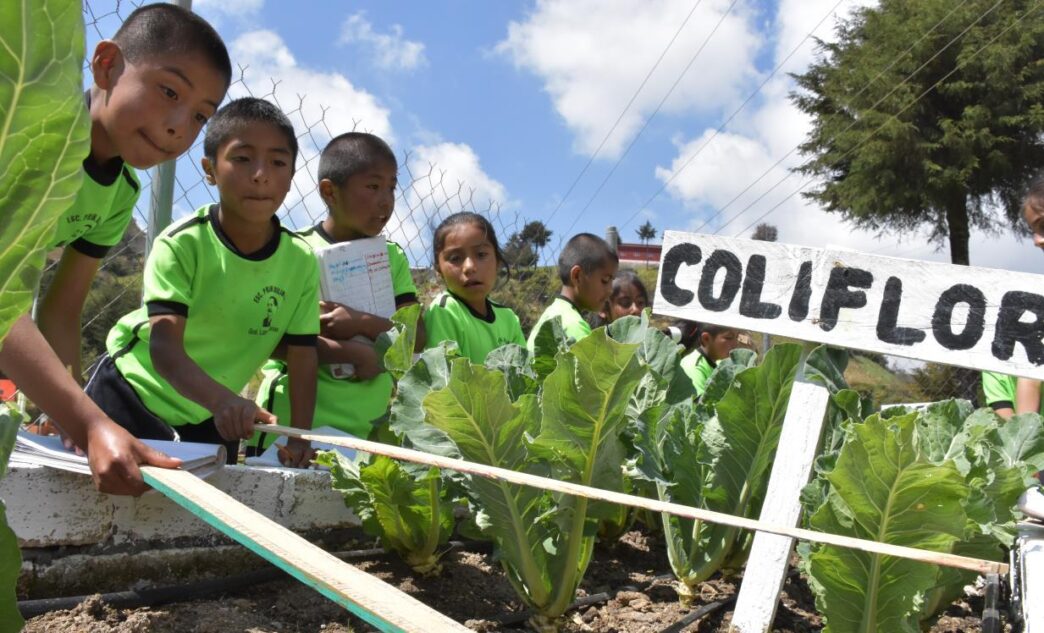
Los Cabos celebrated the second anniversary of the Southern Baja California Network of Educational Gardens at Leonardo Gastélum Elementary School on November 22nd marking the first time the event has been held locally after previous editions held in La Paz and Todos Santos, said academic subdirector Gonzalo Cota.
The gathering focused on collaboration among school garden collectives and on how to start and sustain educational gardens. Schools launching their first garden projects also attended.
The network includes 70 institutions, from early-childhood programs and preschools to elementary, middle, and high schools, as well as teacher training colleges and UABCS universities. For three years, teachers, parents, and communities have expanded the program.
Cota said the school has developed a full ecological system with three active gardens, all maintained by fifth-grade students and their parents. The Aquaponic-Hydroponic Garden program combines tilapia farming with soil-less plant cultivation. Students learn to monitor ammonia, nitrites, water levels, nutrients, and natural pest control. The tilapia provides nutrients for the plants, and once mature, the fish are used in school cafeteria meals.
Researchers from CIBNOR recently helped students plant chard, basil, and lettuce, which will be harvested in four to five weeks for meals served at the Sarahuaro dining hall. The program provides 250 children with free organic meals each day.
The school’s Mexican Herbalism Garden is nearing completion, with drip irrigation, soil preparation, and growing beds already in place. Students will learn about traditional herbal medicine, ancestral treatments, and how herbs can also enhance meals served on campus.
The school is also preparing to raise 20 to 50 Lohmann Brown hens, a gentle breed suited to children and the local climate. They will be fed hydroponic green fodder grown with water from the aquaponic system, producing hormone-free eggs for the cafeteria.
Teachers launched the garden program after noticing many students arrived at school without breakfast and often relied on junk food. The initiative aimed to improve nutrition and encourage healthier habits. When the national program “Live Healthy – Live Happy” began, staff said the school was already “five steps ahead.”
Leonardo Gastélum’s hydroponic-aquaponic system was the first installed at any school in Mexico, designed with support from CIBNOR researcher Dr. Paola Magallón. A similar system has since been adopted at a school in La Paz, with both projects leaving a lasting impact on students.
The vegetables and fish harvested from these gardens supply daily meals for the school community. The hands-on program teaches children how to grow organic food, understand ecosystems, develop nutritional awareness, and gain practical science and environmental skills that will serve them for life.