



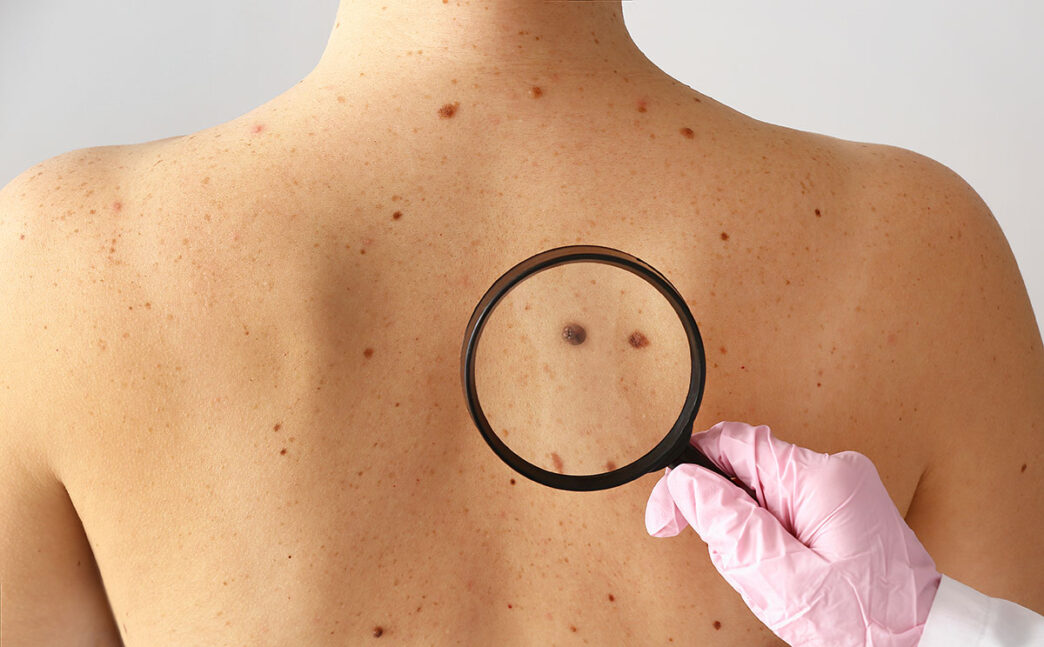
Living in sun-drenched places like Cabo San Lucas or San José del Cabo is part of what makes life here so extraordinary. Blue skies, outdoor living, beach days, and year-round sunshine are a gift but they also come with a very real and often underestimated health risk: skin cancer, particularly melanoma.
Melanoma is one of the most aggressive forms of skin cancer, yet it is also one of the most preventable and treatable if it’s detected early. When discovered in its earliest stage, melanoma has a five-year survival rate of approximately 99%. In many cases, treatment is as simple as a surgical excision, with no need for chemotherapy, radiation, or long-term intervention.
The problem is that melanoma often goes undetected, especially in sunny climates where sun exposure is cumulative and intense. Unlike a sudden rash or visible wound, melanoma frequently develops beneath the surface of a mole you may have had for years. It doesn’t always look dramatic. It may not hurt or itch so you don’t notice it. And because it changes slowly, it’s easy to overlook until it’s too late.
Once melanoma metastasizes, the story changes dramatically. Advanced melanoma commonly spreads to the brain, lungs, liver, and bones, and at that point, the five-year survival rate drops to less than 10%. Even with modern immunotherapies, metastatic melanoma remains extremely difficult to control. What was once a highly curable condition becomes a life-threatening disease with limited treatment options.
This is why regular professional skin checks are absolutely essential for anyone living in high-UV regions like Baja California Sur. Sun exposure near the equator is stronger, more direct, and more damaging to DNA over time, even for people who “don’t burn” or have lived in sunny climates their entire lives. Prior sun damage accumulates silently, often surfacing decades later.
Early detection saves lives statistically. A trained clinician can identify subtle changes in color, symmetry, borders, or depth that are invisible to the untrained eye. Dermoscopic exams can detect melanoma before it breaks through the skin’s surface, when treatment is simplest and outcomes are overwhelmingly positive.
If you live in Cabo, your lifestyle demands vigilance. Enjoy the sun, but respect it. A routine skin exam could quite literally be the difference between a simple outpatient procedure and a diagnosis that changes everything. Early detection isn’t fear-based medicine but I postulate that an ounce of prevention is worth a pound of cure in the case of skin cancer.
Dr Scott Ross is a board certified Dermatologist and a cosmetic surgeon that is licensed to work in both the US and Mexico and as such is particularly unusual. The process to do that legally is really a pain in the neck, not to mention extremely expensive and most doctors simply would not bother with the hassle and expense required. That makes Dr Ross a bit of a unicorn. And he has extra cool detection equipment with AI assist. Not many dermatologists in Cabo have one of those nifty assistants to see below the surface situation quickly and non-invasively.
If you would like to have a complimentary skin cancer prevention exam with Scott Ross, MD he will be doing them in his San Jose and Cabo San Lucas offices February 23 and 27. Call his San Jose location, Longevity Medical Institute WhatsApp +52 624-237-1594 and ask to schedule your free skin exam. Dr. Ross will be at his Cabo San Lucas office Feb 27th call WhatsApp +52 624 119 9241
